Key events and trends
● ESA Approves New Earth Observation Missions: The European Space Agency has greenlit two new missions, Hibidis and SOVA-S, aimed at studying Earth's ecosystems and atmospheric gravity waves, respectively. Hibidis will monitor forest undergrowth using a unique spectrometer, while SOVA-S will track atmospheric waves that affect weather predictions. Both missions are budgeted at €35 million and are set for launch within three years.
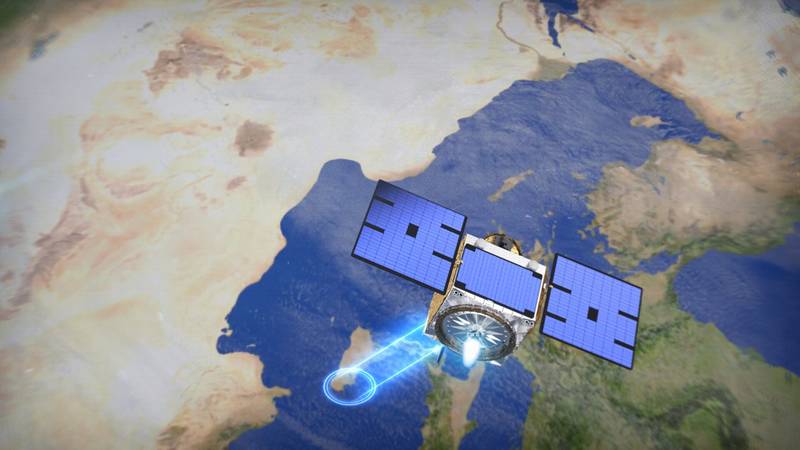 ↳ Community pulse (chats): highlighted that these missions underscore the potential for impactful science without enormous budgets. Participants expressed enthusiasm about the innovative approaches to Earth observation.
● NASA's Findings on Ceres: A reanalysis of data from the Dawn mission revealed that Ceres has a complex surface with steep slopes and bright spots indicating subsurface brine reservoirs. The findings suggest that Ceres could have once harbored a subsurface ocean, raising questions about the potential for microbial life.
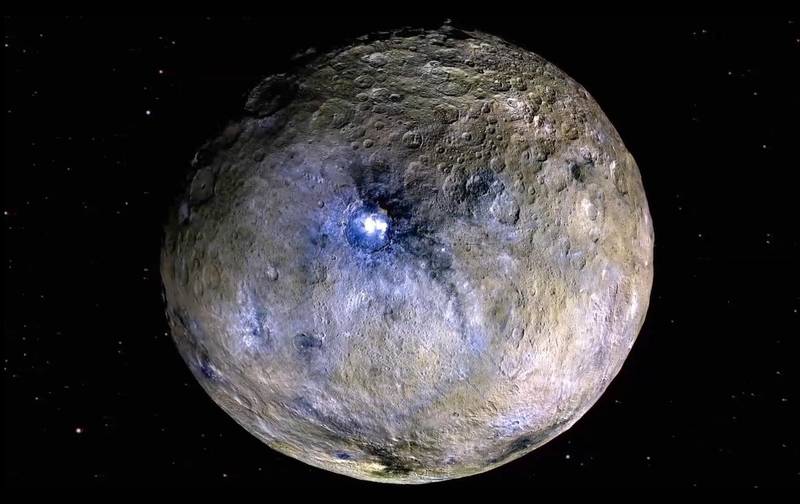 ↳ Community pulse (chats): discussed the implications of these findings for future missions, emphasizing the need for careful planning in sample collection due to the planet's surface conditions.
● NASA's MAVEN Mission Declared Lost: NASA officially announced the loss of contact with the MAVEN spacecraft on December 6, 2025, which was studying Mars' atmosphere. ↳ Community pulse (chats): noted the significance of this loss for ongoing Martian research and expressed hope for future missions.
● Super Heavy B20 Testing: The new Super Heavy B20 booster has begun its hydrostatic testing at the Massey site, with expectations for a flight test in the summer.
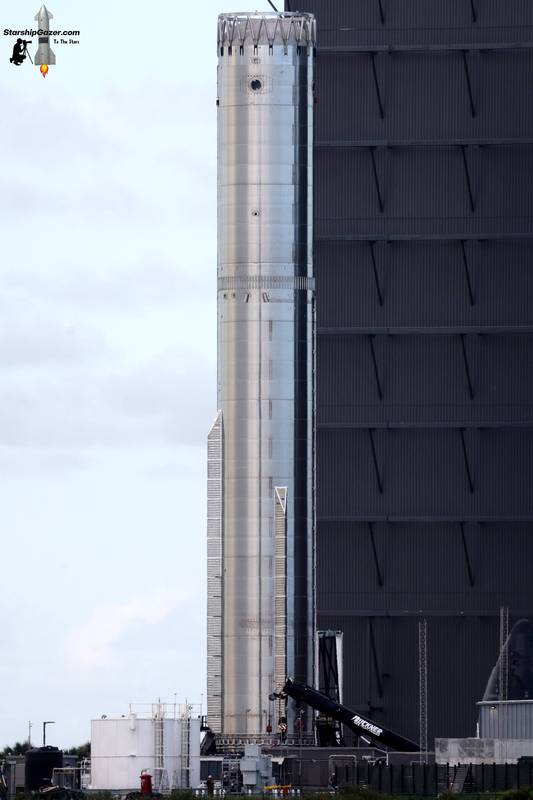 ↳ Community pulse (chats): provided updates on the assembly of the next Super Heavy booster, indicating high hopes for the upcoming flight tests.
Live discussions
- Upcoming Celestial Events: reported that Jupiter, Venus, and Mercury will be visible in the evening sky, with opportunities for observations as they approach each other.
- Black Hole Wind Discovery: shared recent evidence of a wind emanating from the supermassive black hole at the center of the Milky Way, marking a significant breakthrough in astrophysical research.
Social graph
- → Alpha Centauri | Космос: Expert on space missions, contributing insights on ESA's initiatives.
- → Леонид Еленин | Писатель и астроном: Expert discussing implications of NASA's mission losses.
- → Техасский Вестник: Contributor to space launch updates, focusing on Super Heavy testing.
- → Улица Шкловского - Астрономия и Космонавтика: Expert sharing findings on Ceres and black hole phenomena.
- → Астрономические наблюдения в Пржно и не только: Community member engaging in discussions about celestial observations.
Final analytics
Today's discussions highlighted significant advancements in space exploration, particularly through ESA's new missions and NASA's findings about Ceres. The emotional tone was optimistic, with community members expressing excitement about upcoming celestial events and innovative research. However, the loss of the MAVEN mission raised concerns about the future of Martian studies. There remains a gap in coverage regarding the implications of these findings on future missions and the potential for life on Ceres. Overall, the day's events suggest a continued trend towards more affordable and efficient space missions, reflecting a shift in how we approach planetary science and exploration.