Key events and trends
-
Secure AI Agent Deployment on Kubernetes via OpenClaw: (Kubesploit) (forwarded from ) shared a tutorial detailing OpenClaw deployment on Kubernetes with Helm and ArgoCD. The focus is on security features like persistent storage, secrets handling, and network policies to reduce the blast radius of AI agents. Link: https://ku.bz/4-b9pCNFz
-
Deep OS-Level Observability for Kubernetes Security: (Kubesploit) (forwarded from ) presented Artem Lajko's insights on OS-level observability for Kubernetes. This deep layer monitoring uses tools like Falco and eBPF to detect security threats from system calls and kernel events, crucial for infrastructure security. Link: https://ku.bz/9sGxhmm8s
-
Hortator: Secure Multi-Agent AI Systems on Kubernetes: (Kubesploit) (forwarded from ) introduced Hortator, enabling AI agents to spawn secure sub-agents in dedicated pods. Security is enforced through budget caps, network policies, PII redaction, and capability inheritance to prevent privilege escalation. Link: https://ku.bz/kh47Xb28t
-
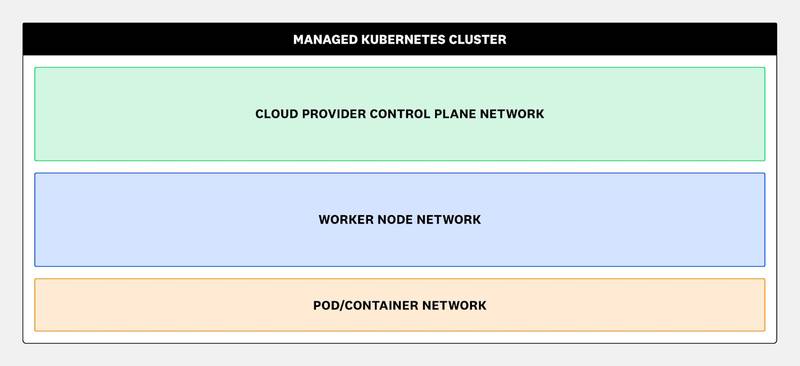
Kubernetes Network Security Fundamentals: (Kubesploit) published an article explaining core Kubernetes network security, covering the flat pod network, network policies for segmentation, and best practices like "default deny" and restricting host networking. Link: https://ku.bz/T2VfCvjdJ
-
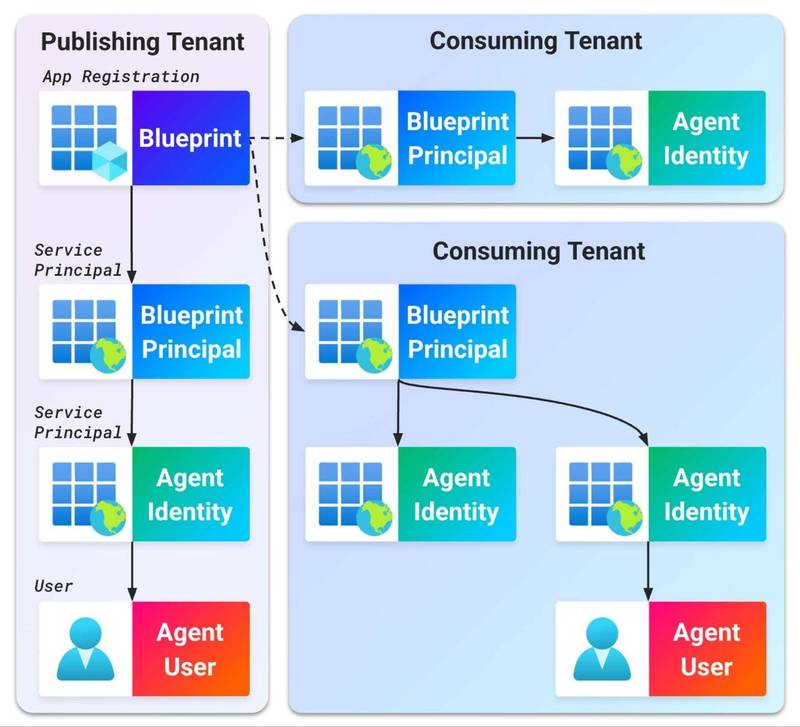
Entra Agent ID: Cloud Security Implications for AI Identities: (CloudSec Wine) highlighted a Datadog Security Labs report on Entra Agent ID. This identity model for AI agents allows linking a single app registration to multiple identities, significantly increasing the potential "blast radius" if an AI agent is compromised. Link: https://securitylabs.datadoghq.com/articles/agent-id-blueprint-blast-radius #AI
Live discussions
No standalone live discussions observed.
Social graph
- (Kubesploit): Initiator, shared multiple tutorials and analyses on Kubernetes security and AI agent security.
- (CloudSec Wine): Initiator, shared a critical analysis on cloud security for AI identities.
- (forwarded by (Kubesploit)): Original content creator, provided OpenClaw tutorial.
- (forwarded by (Kubesploit)): Original content creator, featured Artem Lajko's insights on observability.
- (forwarded by (Kubesploit)): Original content creator, published Hortator information.
Final analytics
The day's content for Cloud Native Security was predominantly informational, focusing on the critical intersection of Kubernetes security and emerging AI agent security, alongside core cloud infrastructure practices. A consistent thread throughout the updates was the strategic application of network policies and robust identity management to contain risks and minimize the "blast radius" of potential compromises, particularly relevant for intelligent agents operating within cloud-native environments. Topics ranged from practical deployment guidance (OpenClaw on Kubernetes) to advanced security monitoring (OS-level observability with Falco/eBPF). A notable concern was raised regarding Entra Agent ID's potential to broaden compromise impact due to its identity blueprint model.
The absence of active group discussions meant the day's insights were primarily one-way, lacking community reactions or disputes. This points to an information gap regarding practitioner experiences and challenges. Nevertheless, the provided content strongly reinforces the need for rigorous security postures in cloud-native AI deployments, advocating for principles of least privilege, stringent segmentation, and continuous deep-level monitoring. The emphasis on scrutinizing AI identity management within major cloud providers is a clear takeaway, signaling a maturing focus on securing AI workloads from the ground up.