Key events and trends
● WSC Sports Rebuilds Deployment Model with ArgoCD ApplicationSets for Full GitOps A case study details WSC Sports' transition from Helm upgrade pipelines to a complete GitOps model using ArgoCD ApplicationSets. Key aspects covered include single-chart monorepo design, shadow deployments, AppProjects, and CI code freeze gates. (source)
● GoKubeDownscaler Released to Optimize Kubernetes Workload Costs
A Go rewrite of py-kube-downscaler, GoKubeDownscaler, is now available. This tool automatically scales down Kubernetes workloads outside working hours, helping to reduce costs associated with unused deployments. (source)
● AKS-based GitOps Platform Provides Workload Identity to On-Premises Clusters
A case study showcases an AKS-based GitOps platform that successfully delivered workload identity to on-premises clusters. This was achieved by publishing static OIDC discovery and JWKS files, thereby avoiding necessary API server modifications after provisioning. (source) 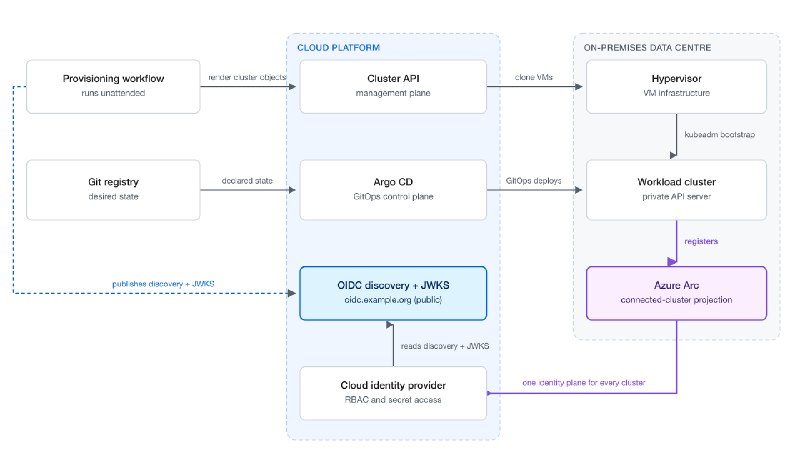
● PII-Shield Utility Launched for Sensitive Data Redaction in Kubernetes Logs
The new PII-Shield utility, designed as a sidecar for Kubernetes, intercepts stdout/stderr to detect and remove sensitive data from event logs. It can identify secrets (API keys, certificates, login credentials), phone numbers, and allows for custom regex rules and entropy analysis for detection. (source)
● Call to Redefine Security Playbooks for the AI-Native SDLC
An article suggests that the industry should reconsider and discard traditional security playbooks, advocating for the creation of new, more suitable approaches for the evolving AI era of SDLC. (source) 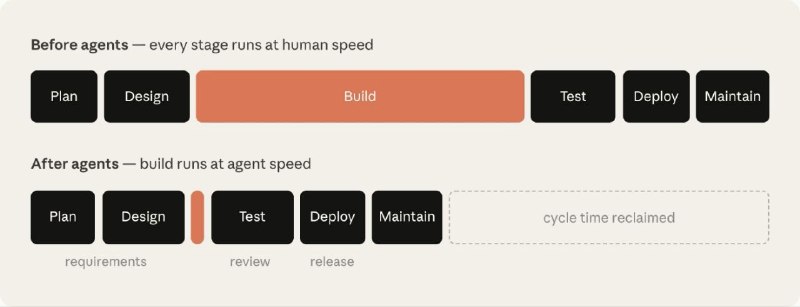
● Article Details Achieving True Observability and Streamlining Incident Resolution
Nikita Bolotov's article explores the complete journey from initial alert to root cause analysis, emphasizing the use of OpenTelemetry, traces, structured logs, and metrics. It highlights how tools and practices such as Terraform, runbooks, and effective on-call processes contribute to precise incident resolution rather than arbitrary troubleshooting. (source) 
● FLOCK ’26 Conference for SREs and Platform Engineers Scheduled for October 14
NeuBird, along with other industry leaders, will host FLOCK ’26 in San Francisco on October 14. The conference is targeted at SREs, platform engineers, and reliability leaders interested in autonomous operations, featuring keynotes from former NASA astronaut Mike Massimino and MIT Media Lab’s Ramesh Raskar. (source) 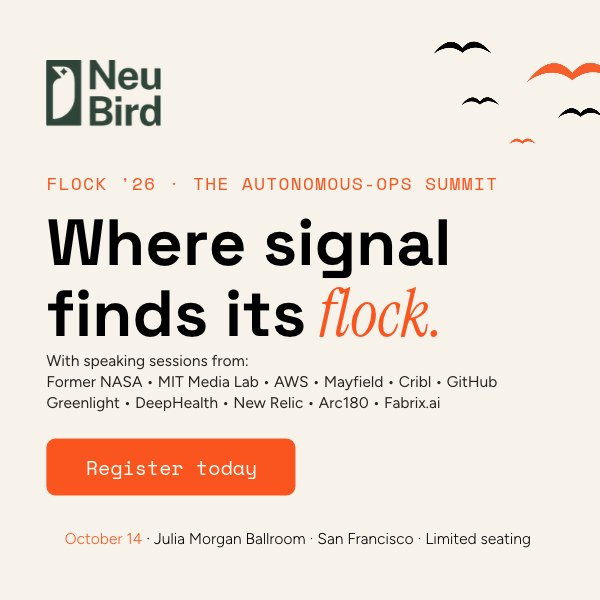
● T-Bank to Host Online SRE TechTalk on October 21
T-Bank will conduct an online SRE TechTalk on October 21, inviting SRE and DevOps engineers. The event will cover T-Bank's approaches to reliability, business operation monitoring, and on-call automation, including discussions on real-world cases and proven tools. Participation is free, with local broadcasts organized in Ekaterinburg and Novosibirsk. (source) 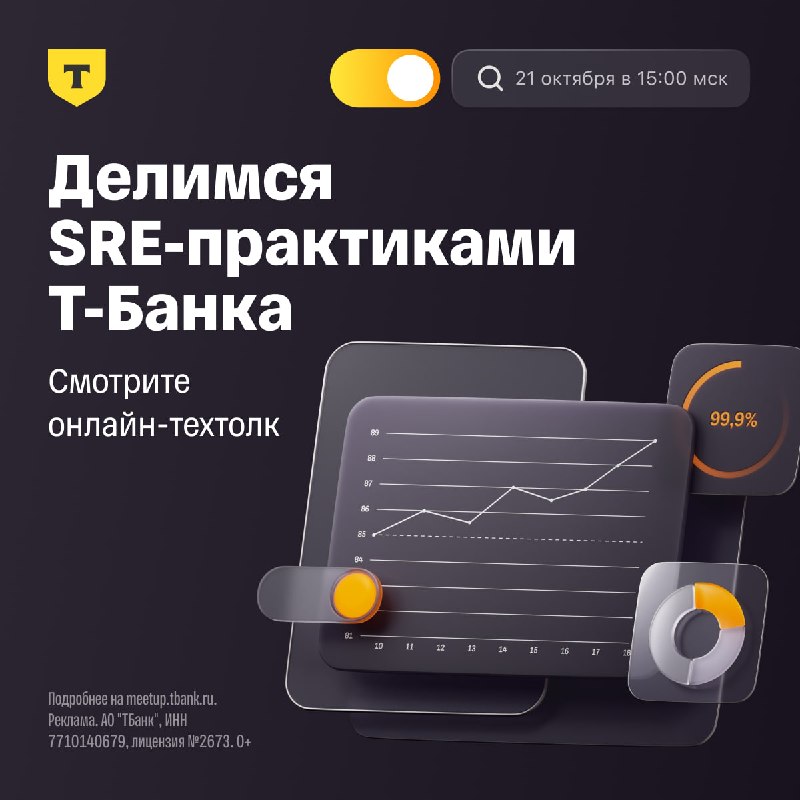
Live discussions
No standalone live discussions were identified during this period.
Social graph
No participant contributions were identified from chat messages during this period.
Final analytics
The activity for October 5, 2026, within the "Kubernetes & DevOps" sphere was characterized by a focus on infrastructure optimization, advanced security measures, and observability best practices. Key developments include concrete case studies on GitOps implementation with ArgoCD and AKS for on-premises clusters, underscoring practical application of cloud-native strategies. Innovations in cost-saving with GoKubeDownscaler and security enhancements like PII-Shield for log sanitization highlight the continuous effort to refine server infrastructure management.
The day's content also emphasized the evolving landscape of security with a call to rethink traditional playbooks for the AI era, and the critical importance of true observability for efficient incident resolution. Two upcoming industry events, FLOCK ’26 and T-Bank's SRE TechTalk, indicate an ongoing community drive towards knowledge sharing and professional development in autonomous operations and reliability engineering. The overall tone is informative and forward-looking, showcasing tools and strategies that are directly applicable to the group's core interests. No group discussions were recorded, leading to an absence of community pulse or identified information gaps from chat interactions.