Key events and trends
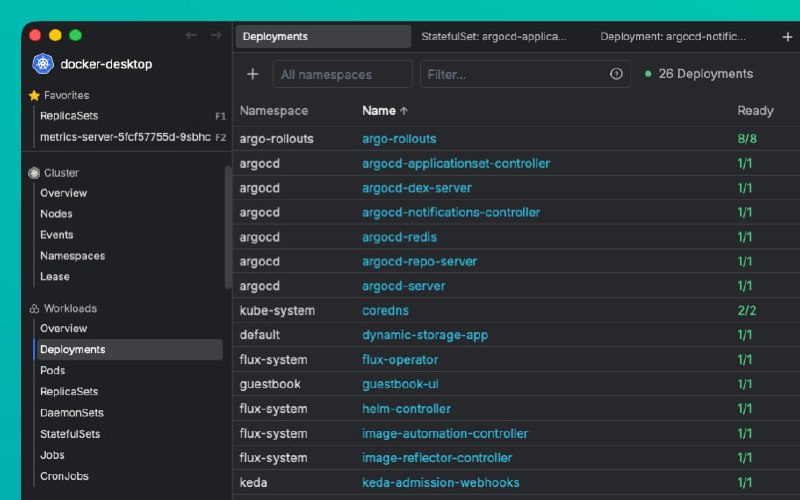
Aptakube 1.19 Released for Kubernetes Cluster Management
Aptakube, a Kubernetes cluster management program, announced the release of version 1.19. The full changelog is available on their website. (источник)
Learn Kubernetes Weekly 199 Highlights Key Infrastructure and Security Topics
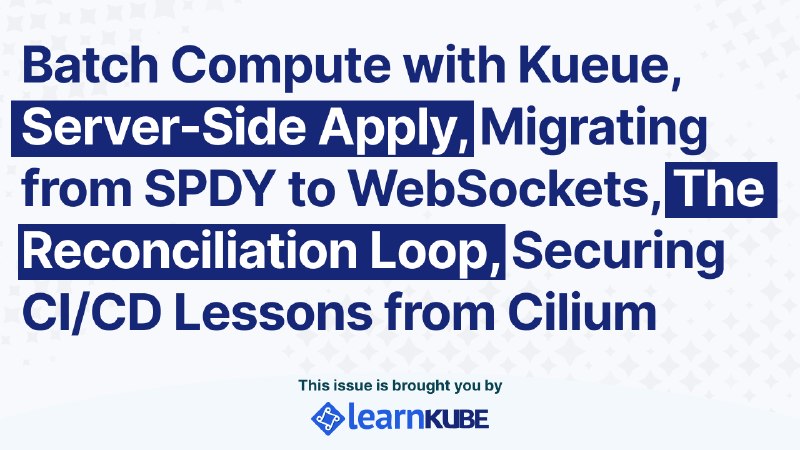
The latest edition of Learn Kubernetes Weekly (Issue 199) covered several significant topics relevant to server infrastructure, its management, and security:
- Netflix's approach to simplifying batch compute with Kueue.
- An explanation of what happens when
kubectl applyruns, focusing on Server-side Apply. - The ongoing migration of Kubernetes from SPDY to WebSockets.
- Insights into embracing the reconciliation loop in Kubernetes.
- Lessons learned from securing CI/CD for an open-source project, specifically Cilium.
(источник)
Guide to Detecting Multi-Stage Attacks on AWS
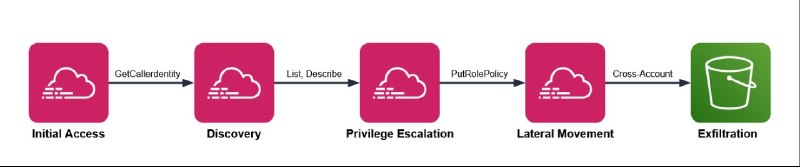
A new guide details how to detect multi-stage AWS attacks by correlating signals across CloudTrail, VPC Flow Logs, and Route 53 DNS logs. The article covers four business-context-aware patterns: unexpected S3 access, abnormal role chains, KMS key misuse, and off-hours privileged changes, providing CloudWatch Logs Insights queries and Lambda automation examples. (источник)
Building AI Agents for SRE Operations
An article shares experience in creating an AI-driven system to automate SRE operations, particularly incident resolution. The proposed 5-layer architecture processes incident notifications, analyzes data (logs, metrics, events) from monitoring, logging, and container orchestration systems, and uses "specialist" agents managed by an orchestration layer to provide insights into incident causes and potential solutions. (источник)
Securing In-Cluster Service Authentication with Kubernetes Service Account Tokens
A tutorial demonstrates how two in-cluster services can authenticate each other using Service Account tokens and the TokenReview API. The tutorial also shows how to enhance security by implementing audience-bound projected tokens. (источник)
Fostering Security Culture and SBOM Adoption in Engineering Teams
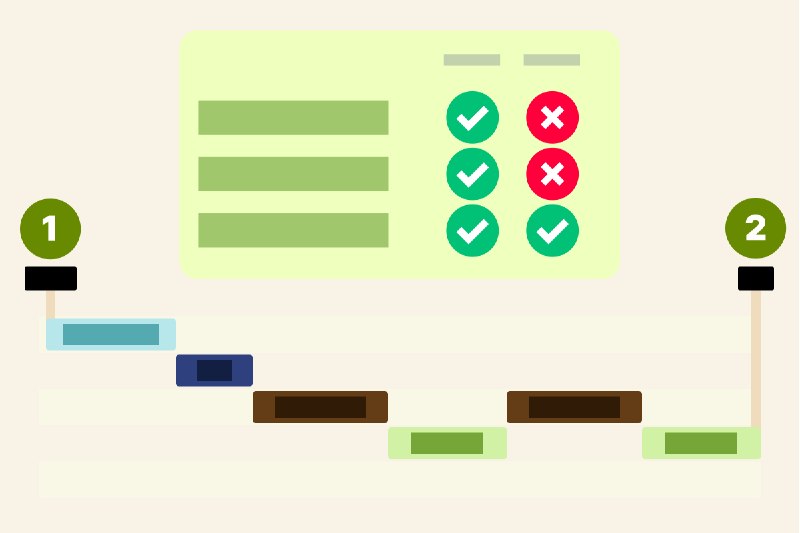
Przemysław Wojtunik highlighted that a robust security culture around CRA (Cyber Resilience Act) and SBOMs (Software Bill of Materials) is built through daily engineering practices, not solely via policy documents. He explained how Spectro Cloud assists his team in accelerating security and SBOM efforts, emphasizing the necessity of a practical pathway to integrate compliance into everyday workflows. (источник)
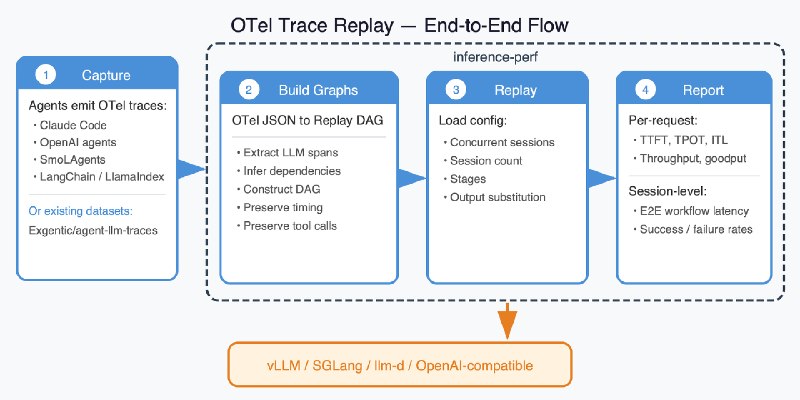
Benchmarking LLM Inference Performance Using OpenTelemetry Trace Replay
An article describes a method for benchmarking LLM inference by replaying production agent traces. This approach captures realistic session-level metrics and dependencies, leveraging OpenTelemetry Trace Replay for inference performance analysis. (источник)
Live discussions
No significant live discussions were observed in the monitored groups for this period.
Social graph
No participants engaged in discussions relevant to the core topics during this period.
Final analytics
The day's information flow in the "Kubernetes & DevOps" sphere primarily focused on practical advancements and best practices in server infrastructure, security, and monitoring. Key themes included specific Kubernetes feature updates and security enhancements (Service Account tokens, CI/CD security for Cilium), cloud security strategies (AWS multi-stage attack detection), and the evolving role of AI in SRE operations for incident management. There was also an emphasis on foundational DevSecOps practices like fostering a security-first culture and integrating SBOMs into daily engineering. The release of Aptakube 1.19 provided a tangible update in Kubernetes cluster management tooling.
A notable characteristic of this period was the absence of public discussions or community reactions within the monitored groups. All insights were derived solely from channel publications, indicating a day of information dissemination without active debate or shared experiences from the community. This lack of interaction might suggest that the published news, while relevant, did not immediately provoke widespread discussion, or that community engagement happens on other platforms not monitored, or simply that the specific day had lower active discussion volume. Without community pulse, it's harder to gauge immediate sentiment, specific challenges, or how these developments are being applied in practice by engineers.