Key events and trends
● Kubernetes Credential Leaks and Mitigation
An article was published explaining the potential impact of leaked Kubernetes credentials, including kubeconfigs and service account tokens. It details how to assess the blast radius of such breaches and implement shutdown procedures to mitigate damage (источник).
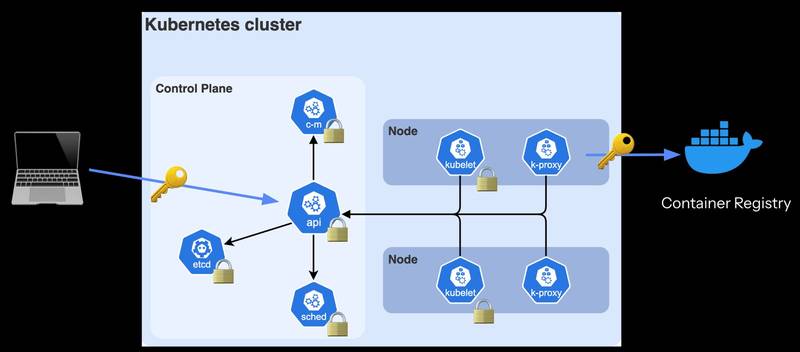
● KubeBuddy: Kubernetes Cluster Health and Security Analysis CLI A new CLI utility, KubeBuddy, has been introduced for comprehensive analysis of Kubernetes cluster health and security. It performs checks for node statuses, resource consumption, pod errors, insecure RBAC privileges, storage, services, and network policies. KubeBuddy generates reports in HTML, Text, or CSV formats and offers a Headlamp plugin for UI integration (источник).
● Securing AI Agents in Cloud Environments Tsahi Duek emphasized the critical need for security when dealing with AI agents, noting that they can execute actions like deleting S3 buckets if not properly isolated. The recommendation is to lock agents into sandbox environments, scope their access to specific services, and avoid granting broad AWS account permissions (источник).
● OpenAI's "Defense Factory" for Automated Vulnerability Detection
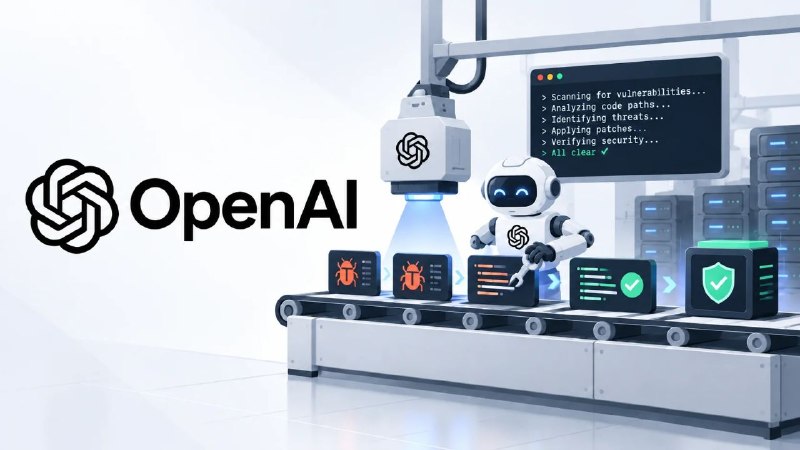
OpenAI has developed "Defense Factory," a continuous, agent-first pipeline utilizing Codex and specialized cyber models (Daybreak Blue/Red) for vulnerability detection and remediation. This system automates inventory, triage, dynamic validation, ownership assignment, and verified patching, boasting a 0.81% false-positive rate and 0.53% fix rollback rate (источник).
● Addressing Plaintext Secrets for AI Agents with SecureVault
Andrii Shevchenko highlighted the risk of plaintext-secrets in .env files, especially with AI agents having access to working directories. He introduced his open-source tool, SecureVault, designed to store secrets in system storage and inject them only during process execution (источник).

● Comparative Analysis of Retail Cybersecurity Regulations
Maria Stashkiv provided an overview comparing cybersecurity requirements for retail in Ukraine, the EU (GDPR, NIS2), and the USA (safe harbor mechanisms). The analysis includes common attacks on retailers and demonstrates how to quantify ransomware risks using ROSI (источник).
● Tutorial: LLM-D Quickstart on Kubernetes
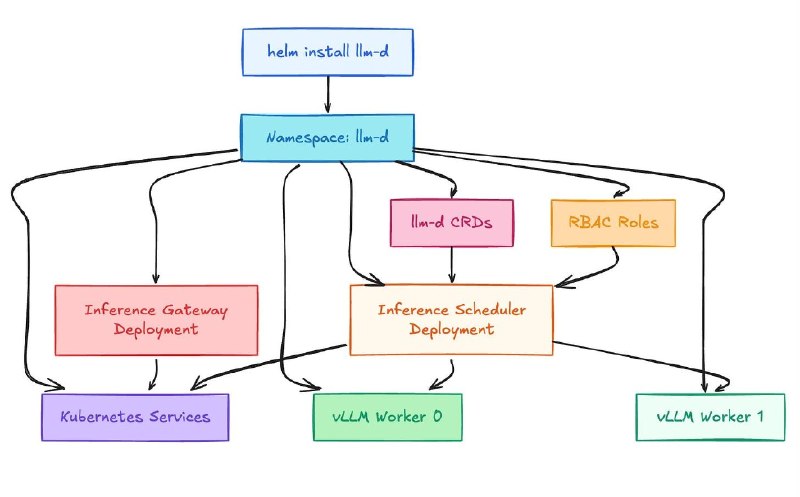
A new tutorial provides a step-by-step guide through the llm-d quickstart on Kubernetes, with detailed explanations after each deployment step (источник).
● Logdy-core: Realtime Log Viewer with Web UI
A new open-source tool, logdyhq/logdy-core, was announced. It functions as a realtime log viewer with a web UI, providing a tail -f like experience for logs directly in a browser interface (источник).
Live discussions
No significant standalone discussions were identified in the available chat data for this period.
Social graph
- @LearnKubeNews: Publisher of Kubernetes tutorials.
- @devops_sre_notes: Publisher of infrastructure and monitoring tools.
- @Kubesploit (forwarded from @KubeFM): Publisher of security news and analyses related to Kubernetes and cloud.
- @cloud_sec: Publisher of cloud security news and research.
- @devsecops_weekly: Publisher of DevSecOps tools and analyses.
- @devops_dou: Publisher of articles on DevSecOps and cybersecurity.
Final analytics
The focus for Kubernetes & DevOps on this day was heavily concentrated on security, particularly within the context of server infrastructure and emerging AI technologies. Key themes included safeguarding Kubernetes environments from credential leaks, proactive cluster health and security analysis with tools like KubeBuddy, and crucial discussions around securing AI agents in cloud and local environments. The rise of AI's role in security was evident with OpenAI's "Defense Factory" for automated vulnerability detection and the development of tools like SecureVault to handle secrets when AI agents are involved. Broader information security practices, exemplified by the retail cybersecurity comparison, also featured prominently.
The emotional tone of the day's information was pragmatic and solution-oriented, highlighting existing risks while simultaneously presenting tools and strategies to mitigate them. There were no explicit information gaps identified within the provided data, as the available news covered a range of relevant topics comprehensively. The strong emphasis on DevSecOps tools and methodologies suggests a continuing trend towards integrating security deeply into the development and operations lifecycle, especially as AI agents become more prevalent in infrastructure management. Potential consequences include increased adoption of specialized security tools for Kubernetes and cloud-native environments, and a growing awareness of new threat vectors introduced by AI agents.