Key events and trends
● AI-Powered Operations Predicted for Kubernetes Itiel Shwartz predicts that AI will be a major driver in Kubernetes over the next 12 months, with cloud providers like AWS, Azure, and Google, as well as legacy players such as Datadog and Dynatrace, and newcomers like Komodor, all moving towards AI-powered operations. (источник) Sai Vennam, a long-time Kubernetes expert, echoes this, forecasting that AI agents and LLMs will significantly streamline cluster management, leading to an "absentee-operator" model where teams can focus more on business logic rather than heavy lifting. (источник)
● OpenAI and Trail of Bits Launch "Patch The Planet" Initiative to Automate Vulnerability Management with AI OpenAI has partnered with Trail of Bits on the "Patch The Planet" initiative, which aims to use advanced AI models combined with human expertise to identify vulnerabilities and generate patches for open-source software. This initiative seeks to provide maintainers with comprehensive recommendations for vulnerability remediation, moving beyond just reporting issues. (источник)
● LinkedIn Engineering Shares Approach to Securing Kubernetes Workloads at Scale LinkedIn Engineering published an article detailing their strategy for securing every Kubernetes workload across their large-scale infrastructure. (источник)
● New Book: "Kubernetes Architecture in Financial Services" Released
A free technical book titled "Kubernetes Architecture in Financial Services" has been published. Drawing on public engineering talks and case studies from seven banks, it explores critical aspects of platform design and operations including tenant boundaries beyond namespaces, shared delivery controls, application ownership, policy maintenance, cross-cluster identity, reliability, and external dependencies. (источник)

● Rune: A New macOS App for Kubernetes Debugging Rune is introduced as a fast, native macOS application designed for daily cluster debugging. It offers unified pod logs, YAML editing with server dry-run, port-forwarding, and a command palette to streamline developer workflows. (источник)
● Guide on Making Container Images Secure Before Cloud Deployment
An article outlines how to enhance container image security prior to deployment in the cloud. It details methods such as using multi-stage builds, adopting a distroless base image, and leveraging Trivy scans to significantly reduce Common Vulnerabilities and Exposures (CVE) counts. (источник)
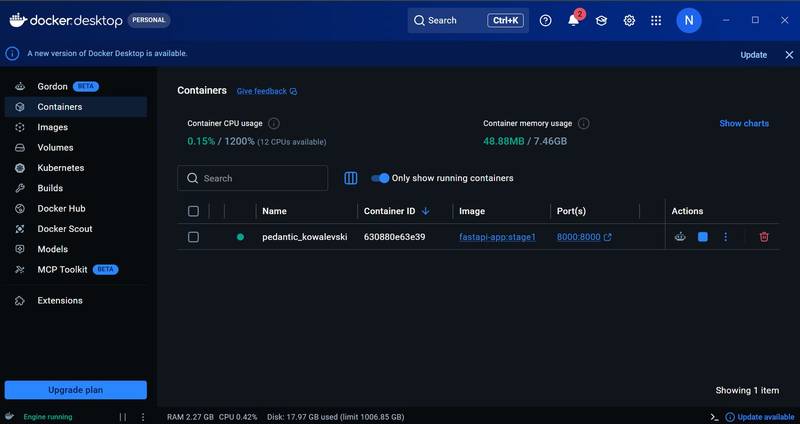
● Cloudflare Offers Quick Tunnels for Localhost Exposure Cloudflare has introduced Quick Tunnels, a free, encrypted service allowing users to expose their localhost to the internet without requiring an account, DNS configuration, or open ports. (источник)
Live discussions
No standalone live discussions relevant to the group's focus were observed today.
Social graph
No significant participant activity or identifiable roles were observed in discussions today.
Final analytics
The primary theme for Kubernetes & DevOps on this day revolved around AI integration, particularly its anticipated impact on operations and security. Experts like Itiel Shwartz and Sai Vennam predict a shift towards AI-powered, streamlined cluster management, potentially leading to an "absentee-operator" model. This trend is further supported by initiatives like "Patch The Planet," where AI is being leveraged for proactive vulnerability identification and patching in open-source software, highlighting a strong move towards automated DevSecOps.
Another key area of focus was Kubernetes security and architecture. New resources, such as the book on Kubernetes architecture in financial services and LinkedIn's insights on securing large-scale workloads, underscore the ongoing need for robust, well-designed, and secure infrastructure. Practical tooling also received attention, with the release of the Rune macOS app for debugging and an article on enhancing container image security through best practices like multi-stage builds and vulnerability scanning.
Overall, the day's information flow indicates a forward-looking industry embracing AI for efficiency and security, while simultaneously refining foundational practices in infrastructure design and container protection. The absence of group discussions suggests either a day of information consumption rather than active debate, or that the shared news did not immediately spark community dialogue.