Key events and trends
- LearnKube Announces Community Event Before KubeCon North America: LearnKube will host its first in-person community event on Monday, November 9, 2026, from 10:00–19:00 MST at the Hilton Salt Lake City, Utah. The event, preceding KubeCon + CloudNativeCon North America, will feature a hands-on workshop on diagnosing broken applications with telemetry and observing AI SRE agent responses, technical sessions on Cost Optimization, Bank Grade Kubernetes, and AI Operations, lightning talks, YAML Games, and networking. Hosted by Salman Iqbal, Amin Astaneh, and Bart Farrell, with free registration. Sponsors include StormForge by CloudBolt, vCluster, and Utah Kubernetes Meetup. (источник)

- AI's Role in Kubernetes Administration and Human Oversight: Mai Nishitani, Director Enterprise Architecture at NTT Data, explored how AI is transforming Kubernetes administration. She highlighted the necessity of balancing AI capabilities with human oversight, noting that AI tools like Claude can significantly enhance learning and skill development, similar to how DevOps automation requires human guidance despite automating tasks. (источник)
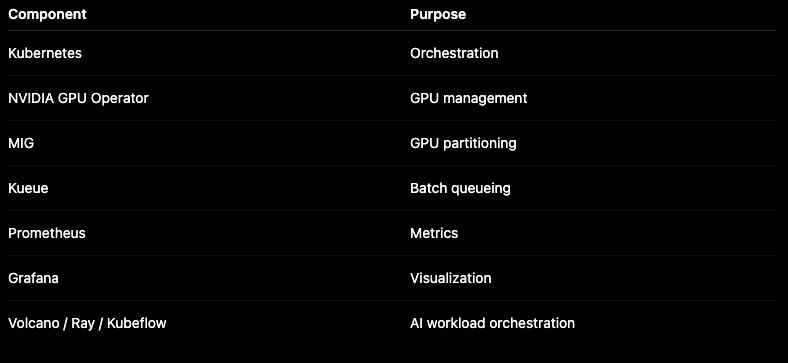
- Optimizing GPU Usage in Kubernetes with MIG and Kueue: A new article details a method for efficient GPU sharing across multiple teams in Kubernetes. It explains how NVIDIA MIG (Multi-Instance GPU) can slice large GPUs, and Kueue can queue jobs, preventing single jobs from monopolizing an entire card and improving resource utilization. (источник)
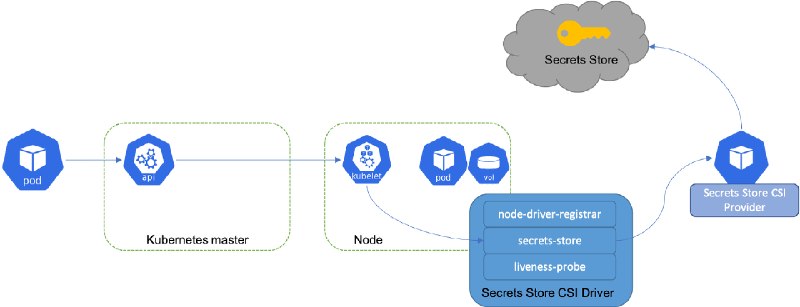
- Secure Kubernetes Secrets Management Using CSI Driver: An article provides a comprehensive guide on integrating external secret stores with Kubernetes pods via the Secrets Store CSI Driver. It elaborates on the roles of the registrar, SecretProviderClass, and provider plugin, alongside the process of syncing secrets back into native Kubernetes Secrets for environment variables. (источник)
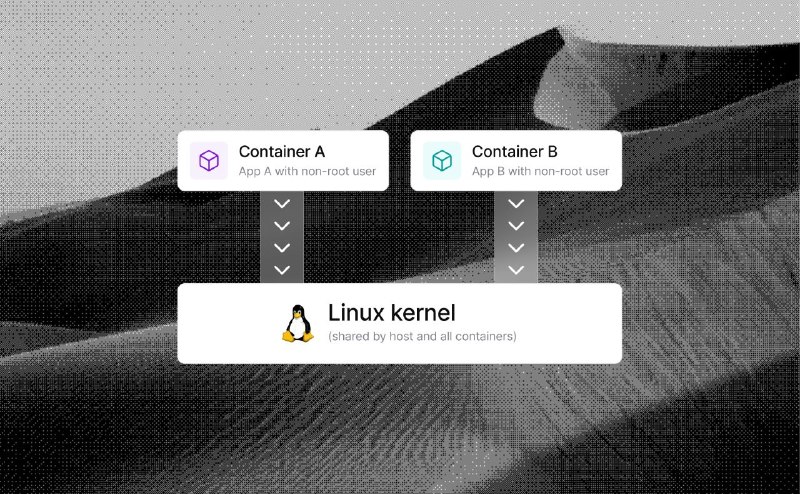
- Containers' Security Boundary Weakened by AI-Accelerated Vulnerability Discovery: Research from depthfirst.com suggests that containers are no longer considered a reliable security boundary. This shift is attributed to the rapid pace of AI-accelerated kernel vulnerability discovery (5,976 CVEs in 2026), which has made container escapes more frequent and trivial. CVE-2026-80521, a Linux AF_UNIX use-after-free, is cited as an example demonstrating a full container escape. (источник)
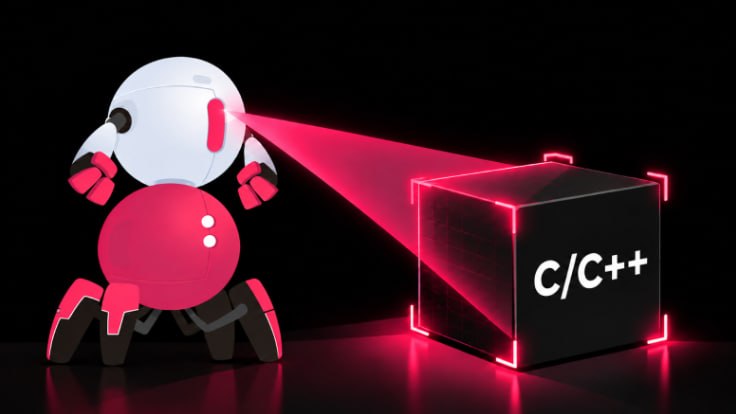
- Deep Dive into Compositional Analysis for C/C++ Projects in DevSecOps: CodeScoring published an article outlining best practices for compositional analysis of C/C++ projects, crucial for DevSecOps. The article covers challenges such as identifying library versions without standard package managers, determining dependencies within final artifacts, understanding reasons for multiple SBoMs, gathering additional library information, and linking packages to vulnerabilities, especially in the absence of PURLs. It offers detailed explanations, examples, and recommendations. (источник)
Live discussions
- No significant live discussions were observed in the monitored chats for this period.
Social graph
- No active participants in discussions were identified for this period.
Final analytics
The daily digest for Kubernetes & DevOps on September 28, 2026, highlighted several critical themes centered on infrastructure, security, and the increasing role of AI. A significant event is the upcoming LearnKube community gathering, signaling a continued focus on practical skills, cost optimization, and AI operations within Kubernetes. The impact of AI was also a recurring subject, not only in enhancing Kubernetes administration efficiency but also in posing new security challenges, as evidenced by the growing ease of container escapes due to AI-accelerated vulnerability discovery.
Key technical advancements covered resource optimization (GPU sharing with MIG and Kueue) and secure practices (Secrets Store CSI Driver, compositional analysis for C/C++). The tone of the news is informative and forward-looking, emphasizing adaptation to new technologies like AI and heightened security threats. A notable information gap for this period is the absence of community discussions or reactions, suggesting that these announcements and articles were primarily consumed as informational updates rather than sparking immediate debate or shared experiences within the monitored chats. This indicates a quiet day in terms of community engagement, but a rich one in terms of professional content regarding infrastructure and its security.