Key events and trends
-
Attack on DevOps infrastructure: Binance breach via engineer's laptop, malicious Claude Code extension Binance reported an attack that allegedly originated from a compromised DevOps engineer's laptop, granting access to a service container and initiating unauthorized transactions, with preliminary loss estimates reaching $6.3 billion. Concurrently, a malicious version 2.1.313 of the Claude Code extension was discovered in the Cursor marketplace, attempting to install an SSH backdoor and establish persistent access to developer workstations. These incidents underscore the critical vulnerability of interconnected development infrastructure components such as GitLab, Jenkins, CI/CD runners, Registry, and Kubernetes, where compromising one element can lead to a full supply chain attack. An upcoming webinar on November 10, 2026, will delve into attack paths from developer workstations to production, misconfigurations in VCS, CI/CD, and Registry, and practical strategies for identifying and mitigating potential attack chains (источник).
-
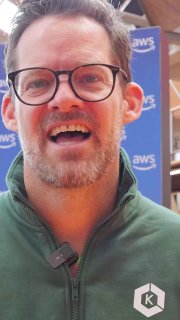
Sebastien Allamand (AWS) predicts autonomous GenAI agents managing Kubernetes clusters In the coming decade, more management APIs are expected to integrate into Kubernetes, with Generative AI and agentic tools autonomously managing clusters. Sebastien Allamand from AWS highlighted that these agents will operate within Kubernetes, managing applications dynamically and handling operational toil, complementing rather than replacing engineers (источник).
 Watch video
-
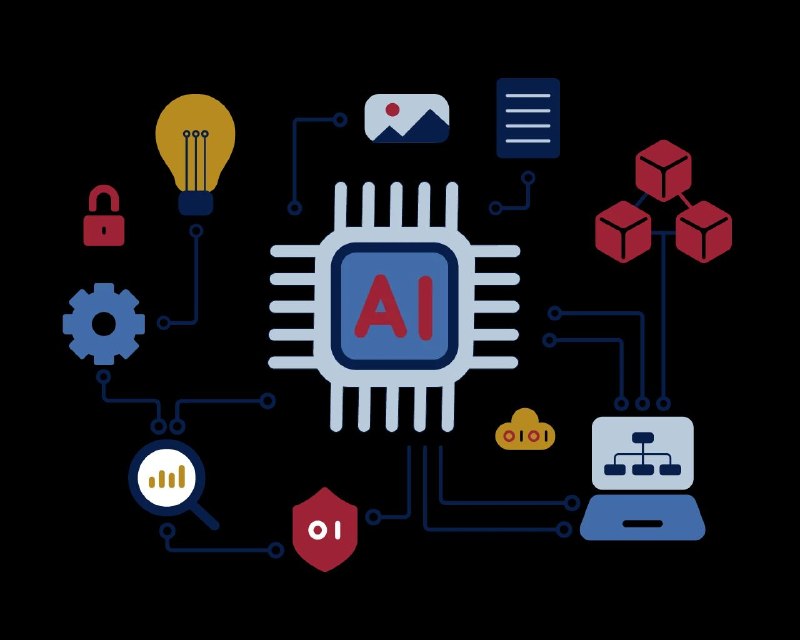
NCSC addresses AI's dual role in cyber security, enabling autonomous defense but also empowering threat actors The NCSC (National Cyber Security Centre) released a chapter on AI in cyber security, discussing autonomous cyber defense, AI system security, and national-scale resilience. While agentic AI offers significant scaling for defenders, it also introduces new risks, as threat actors are already utilizing AI (источник).
-
DockLog released, a web-based utility for managing and monitoring Docker and Kubernetes containers with RBAC DockLog is a new, user-friendly utility providing a graphical web interface for routine container operations across both Docker and Kubernetes environments. Its features include displaying summary information about running containers, real-time log viewing, container lifecycle management (start, stop, delete), resource usage monitoring, and notification capabilities. The tool also incorporates role-based access control (RBAC) (источник).
-
GitHub Action now available for native Terraform drift detection and reporting A new GitHub Action has been released, integrating the
tfdriftCLI to enable native Terraform drift detection and report generation. This initiative, highlighted in Anton Babenko's weekly.tf newsletter, aims to simplify identifying infrastructure configuration drift and raising it as a native GitHub security alert (источник). -
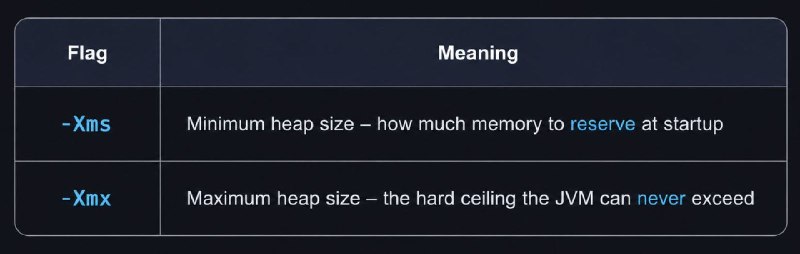
Article explains healthy JVM pod memory at 90% and comparing pod memory with real heap usage A new article clarifies that a JVM pod can function normally even when utilizing 90% of its allocated memory. It provides crucial insights into accurately comparing Kubernetes pod memory consumption with actual Java heap usage, a vital step before investigating potential memory leaks (источник).
-
Restic's
--read-data-subsetoption allows phased full data integrity checks beyond default repository structure verification Standardrestic checkverifies repository structure and integrity, but by default, it does not read all pack-files to verify the actual backed-up data. The--read-dataoption performs a full data read. For extensive repositories, the--read-data-subset=X/Yoption enables a phased approach, distributing the full data verification across multiple checks. This process can be time-consuming, incur traffic costs, and does not replace the necessity of performing trial restorations (источник).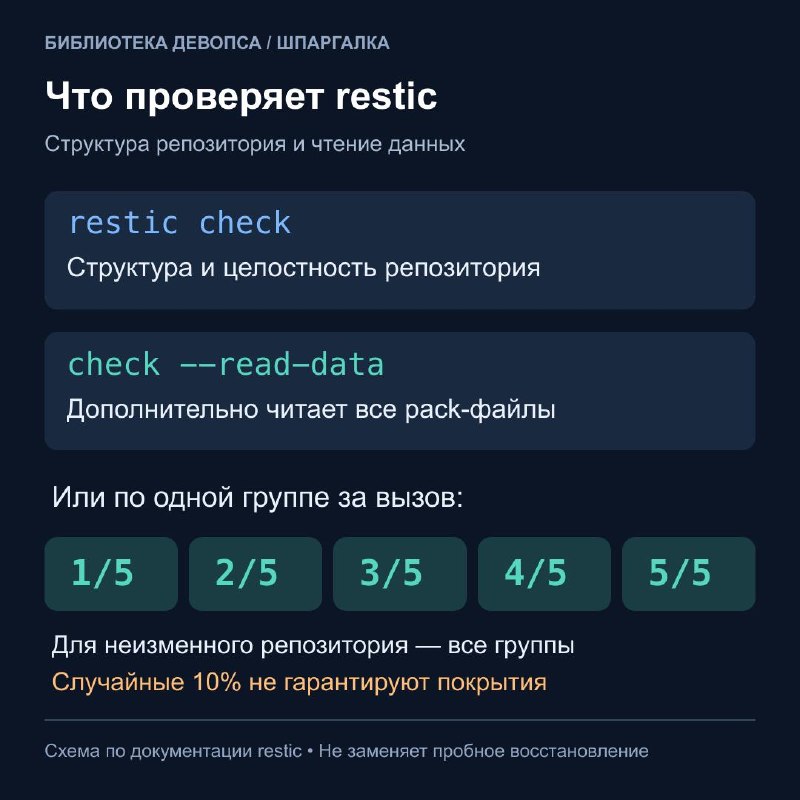
Live discussions
No live discussions were found in the provided data.
Social graph
No participants were identified in the provided data.
Final analytics
The day's content for Kubernetes & DevOps was heavily centered on critical security incidents and the evolving role of AI. Recent attacks on DevOps infrastructure, specifically the Binance breach and a malicious Claude Code extension, highlighted significant vulnerabilities in the development supply chain and container security, emphasizing the need for robust DevSecOps practices. This aligns with broader discussions on AI's dual impact on cybersecurity, offering both advanced defensive capabilities and new tools for threat actors. Beyond security, the discourse touched upon the future of Kubernetes management, anticipating more autonomous cluster operations driven by GenAI and agentic tools. Practical advancements include a new utility for Docker/Kubernetes container management (DockLog) and enhanced tools for infrastructure as code, like Terraform drift detection. The emotional tone conveyed a heightened awareness of security risks while also pointing to promising technological advancements in automation and monitoring, underscoring a proactive, security-first approach within the DevOps community.