Key events and trends
● KubeCon + CloudNativeCon North America 2026 Talks Now Available Online All video recordings from KubeCon + CloudNativeCon North America 2026, held from November 9-12, are now available on YouTube. The collection includes 379 videos from the main conference, along with dedicated playlists for co-located events such as Cloud Native University (55 videos), Platform Engineering Day (27), CiliumCon (10), OpenTofu Day (11), FluxCon (9), Cloud Native AI + Inference Day (29), Open Source SecurityCon (14), Observability Day (28), ArgoCon (29), Kubernetes on Edge Day (10), Agentics Day: MCP + Agents (28), and BackstageCon (16). (источник)
● Solving k3s Traefik Crash Loop on NVIDIA Jetson with nftables Blacklisting
An article describes tracing a k3s Traefik crash loop on an NVIDIA Jetson device to conflicts with nftables support in the vendor kernel. The solution involved blacklisting nf_tables to fix packet filtering issues. (источник)
● Kubernetes 1.37 Facilitates In-Place Pod Resizing with Priority-Based Eviction A tutorial demonstrates how Kubernetes 1.37 can unblock deferred in-place pod resizing by evicting lower-priority workloads. This process frees up node capacity, allowing higher-priority pods to expand their resources. (источник)
● Dynamic Secret Operator Enhances Kubernetes Secret Management The Dynamic Secret Operator introduces functionality to create immutable secret revisions, test new credentials in isolated canaries, and automatically roll back faulty secret or certificate rotations before they can cause production pod failures. (источник)
● Cloudflare's Modern Security Model for AI-Orchestrated Penetration Testing
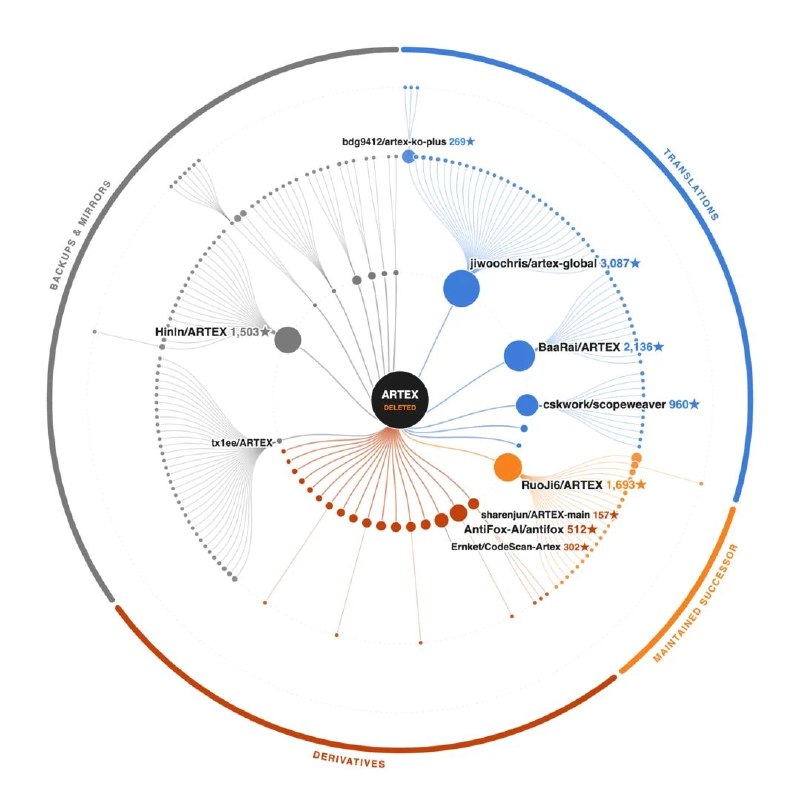
Cloudflare recommends a six-pillar Modern Security Model to adapt to increasingly powerful AI-orchestrated penetration testing platforms like ARTEX. The model includes WAF rules, anomaly detection, bot defense, identity-gated access, schema validation, and threat intelligence.
 (источник)
● Datadog's Agentic System for Vulnerability Hunting Leverages AI Datadog has developed an agentic system for vulnerability hunting, which uses AI to simplify the discovery of vulnerabilities. The system addresses the challenge of verifying exploitability by using "threat packs" – human-prepared descriptions that provide agents with the necessary context, ranging from service descriptions to potential attacker interactions. This approach helps to identify exploitable vulnerabilities and ensure compliance with security requirements defined in the threat packs, optimizing the vulnerability management process. (источник)
● Distributing Kubernetes Replicas Across Zones for High Availability
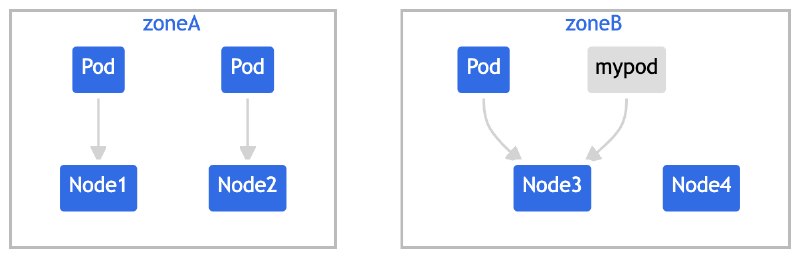
To distribute Kubernetes replicas across availability zones, topologySpreadConstraints can be defined in the Pod specification. The topologyKey specifies the node label key (e.g., topology.kubernetes.io/zone), and labelSelector targets pods in the same namespace. With whenUnsatisfiable: DoNotSchedule and maxSkew: 1, the imbalance is limited to one pod relative to the minimum across zones, preventing scheduling if the limit is violated.
 (источник)
● Achieving Data Consistency with CRDTs in Kubernetes and etcd
A post explains how two servers simultaneously modifying the same record can lead to data synchronization conflicts and how to avoid them. While classical replication relies on version control, operation order, and conflict resolution mechanisms, Conflict-Free Replicated Data Types (CRDTs) offer an alternative approach, allowing parallel changes to be merged without constant node coordination. The article details how CRDTs work, their differences from traditional replication, how Kubernetes and etcd ensure data consistency, and scenarios where classical mechanisms remain indispensable.
 (источник)
Live discussions
No relevant discussions were observed in the monitored chat groups for this period.
Social graph
No participant contributions were identified from chat messages for this period.
Final analytics
The digest for November 23, 2026, highlights significant advancements and best practices in Kubernetes infrastructure management and advanced security. Key themes include the availability of comprehensive educational content from KubeCon NA 2026, offering deep dives into various cloud-native technologies, and detailed technical insights into Kubernetes optimization, such as in-place pod resizing and intelligent replica distribution across zones for enhanced availability.
Security continues to be a central focus, with new developments like the Dynamic Secret Operator providing robust secret and certificate rotation mechanisms. Furthermore, the integration of AI in security practices is gaining traction, exemplified by Cloudflare's security model for AI-orchestrated penetration testing and Datadog's AI-driven agentic system for vulnerability hunting. These innovations reflect a proactive stance against evolving threats and a push towards more automated and intelligent security operations within the DevSecOps pipeline.
The discussions around data consistency with CRDTs in Kubernetes and etcd underscore the ongoing challenges and sophisticated solutions required for distributed systems. Overall, the day's content points towards a continuous effort within the Kubernetes & DevOps community to refine infrastructure performance, bolster security measures, and leverage emerging technologies like AI to build more resilient and efficient systems. The absence of chat discussions suggests that these topics were primarily absorbed as new information rather than sparking immediate community debate within the monitored groups.