Key events and trends
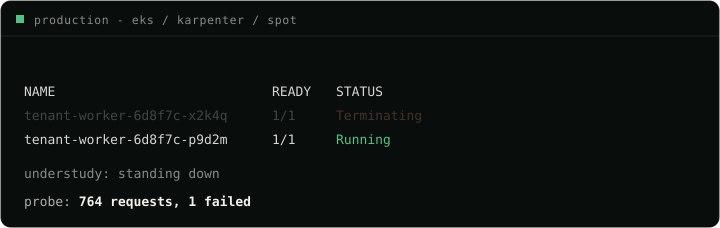
● Kubernetes Understudy Ensures Single-Replica App Availability During Node Maintenance
Understudy is a tool designed to maintain the availability of single-replica Kubernetes applications during node maintenance by initiating a replacement pod and ensuring its readiness before the original pod is removed. This helps prevent downtime for critical services. (источник)
● LinkedIn Details Shift from ArgoCD to Custom GitOps Solution LinkedIn has shared insights into their migration from ArgoCD to a custom GitOps engine, highlighting challenges and weak points encountered with off-the-shelf solutions like ArgoCD in a highly customized environment. The article suggests that while Flux was also evaluated, custom setups may require tailored solutions, emphasizing the importance of standardization to better utilize existing tools. (источник)
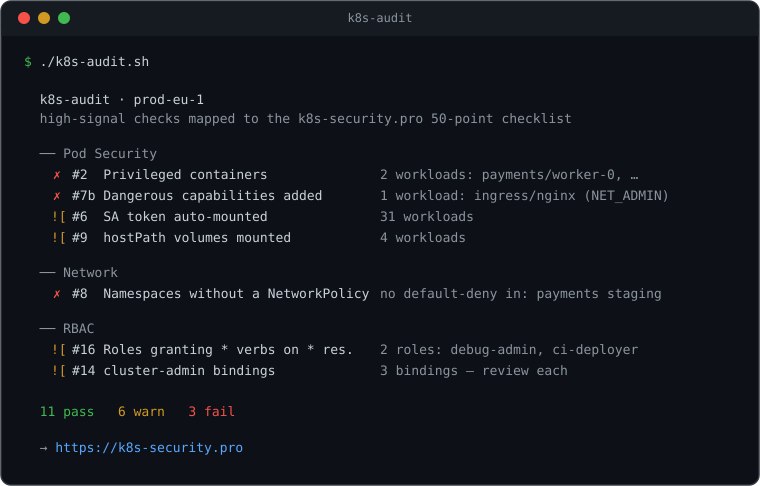
● k8s-audit: A New Fast Kubernetes Security Audit Tool
A new, dependency-light tool named k8s-audit has been released, enabling quick Kubernetes security audits with a single command. This contributes to streamlined DevSecOps practices by offering an accessible way to check for security vulnerabilities. (источник)
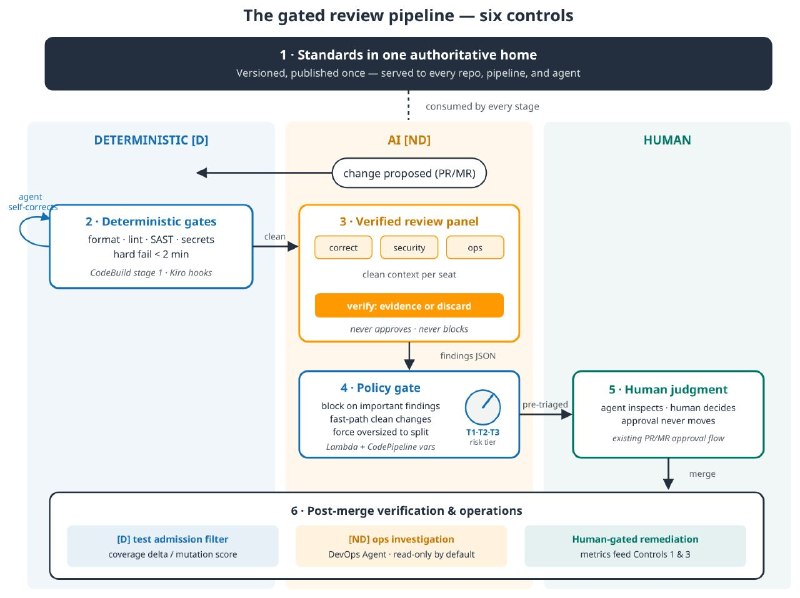
● AWS Outlines Gated Review Pipeline for AI Coding Agents
AWS presented a comprehensive gated review pipeline designed to secure code generated by AI coding agents. This pipeline incorporates six control mechanisms, combining deterministic checks with an AI review panel, applying risk-tiered policy gates, and maintaining human oversight for critical decisions, with a concrete AWS implementation for each control. This addresses the challenge of rapidly generated code outpacing human review capabilities. (источник)
● Understanding Kubernetes Volume Snapshots for Data Recovery
Kubernetes provides an API for taking point-in-time snapshots of volume contents, which is implemented via Custom Resource Definitions (CRDs) and compatible with CSI-drivers that support snapshot creation. The API involves three key resources: VolumeSnapshot (user request), VolumeSnapshotContent (Kubernetes object describing the snapshot in storage), and VolumeSnapshotClass (driver and snapshot parameters). A snapshot controller in the control plane creates and links VolumeSnapshotContent objects, while a csi-snapshotter sidecar interacts with the CSI driver. For new snapshots, the source Persistent Volume Claim (PVC) is specified in VolumeSnapshot. When using an existing snapshot, an administrator creates a VolumeSnapshotContent with its storage identifier, and VolumeSnapshot references it. Verifying data consistency at the time of the snapshot and validating the recovery procedure are crucial steps for successful application restoration. (источник)
Live discussions
No significant live discussions were observed outside of channel news for this period.
Social graph
- @LearnKubeNews: Publisher of news on Kubernetes availability.
- @CatOps: Publisher of insights into GitOps strategies and enterprise solutions.
- @Kubesploit: Publisher of Kubernetes security tool releases.
- @cloud_sec: Publisher of cloud and application security strategies, especially in AI integration.
- @devopsslib: Publisher of educational content on Kubernetes features.
Final analytics
The discussions on 24.11.2026 for Kubernetes & DevOps were primarily driven by channel news, showcasing a concentrated focus on core infrastructure resilience, security advancements, and strategic deployment methodologies. Key themes included enhancing Kubernetes application availability during maintenance with tools like Understudy, evolving GitOps strategies as exemplified by LinkedIn's custom solution, and the continuous development of security tools for Kubernetes with k8s-audit. The emerging challenge of securing AI-generated code was addressed by AWS's proposed gated review pipeline, indicating a proactive stance on DevSecOps in the era of AI. The detailed explanation of Kubernetes Volume Snapshots also highlighted the ongoing importance of robust data management and recovery mechanisms within server infrastructure.
The overall tone of the reported information was technical and informative, emphasizing practical solutions and architectural decisions in complex environments. The absence of community discussions for the day indicates either a quiet news cycle in the monitored chat groups or that the shared articles did not spark immediate, public dialogue among members. Consequently, there were no reported contradictions or explicit information gaps within the news items themselves, suggesting a consistent narrative from the published sources. The potential consequences point towards a continued emphasis on building resilient, secure, and efficient server infrastructures, with a growing need to integrate security into new technology domains like AI-driven development.