Key events and trends
-
Kubernetes GPU Tooling Challenges in Multi-Tenant VM Environments: Most Kubernetes GPU tooling assumes NVIDIA kernel drivers are installed on the host, a premise that fails in multi-tenant setups where tenants operate within VMs for isolation. This configuration leads to the host losing access to NVIDIA drivers, making tools like GPU Operator and
nvidia-smiinoperable and eliminating visibility into or ability to expose GPUs to Kubernetes. This issue was explained by Landon Clipp (источник). -
Common Mistakes in Kubernetes Horizontal Pod Autoscaling (HPA): An article detailed six frequent errors encountered when configuring Kubernetes HPA. These include overlooked metrics, absence of resource requests, conflicts arising from GitOps deployments, and scaling rules that result in unexpected replica counts (источник).
-
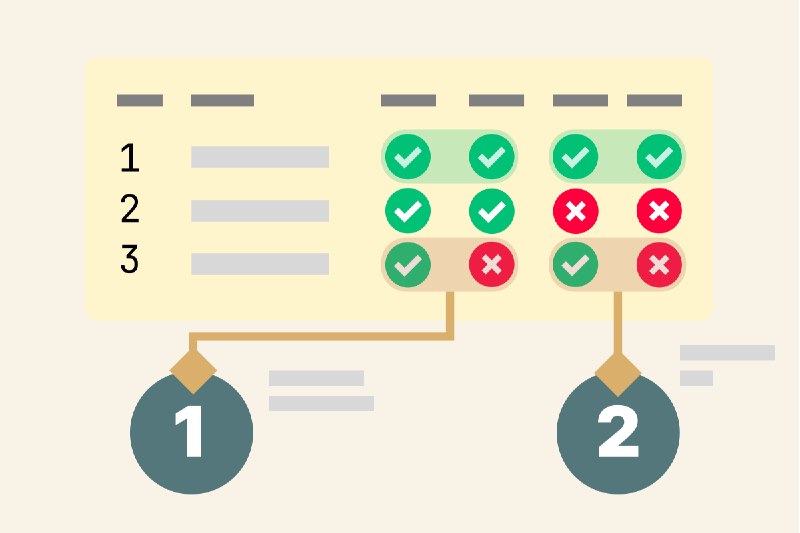
Understanding Kubernetes RBAC from Scratch: A comprehensive article rebuilt the Kubernetes Role-Based Access Control (RBAC) model from its foundation, demonstrating how Roles, ClusterRoles, and their bindings are utilized to connect users and service accounts with specific permissions (источник).
-
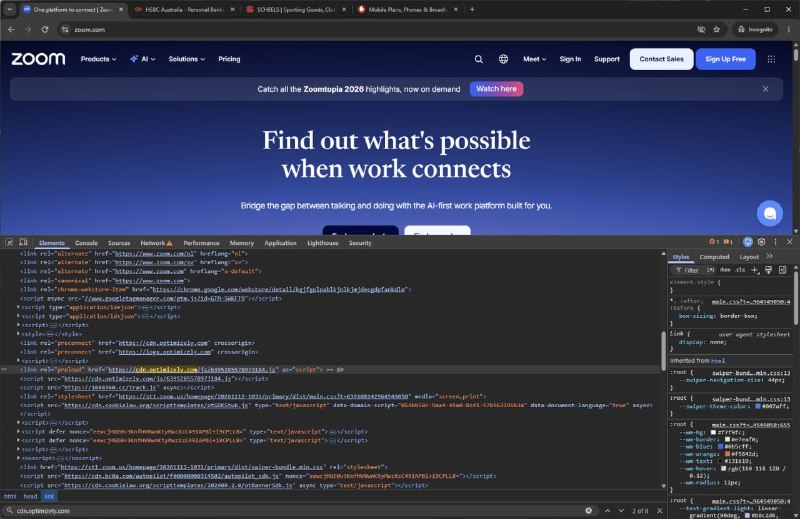
Major Brands Infected by Malware via Optimizely Platform: On November 16, 2026, malicious JavaScript was served to visitors of 178 organizations, including major entities like Zoom, the BBC, CNN, Salesforce, GitLab, IKEA, HSBC, Equifax, Air France-KLM, Ledger, and Peacock. This infection occurred through the Optimizely Web experimentation platform (источник).
-
Diagnosing Container Memory Limits with cgroup v2 Events: To diagnose container slowdowns or processes terminated by Out-Of-Memory (OOM) kills, it is recommended to inspect
cgroup v2counters inmemory.eventsandmemory.events.local. An increase inhighindicates that tasks experienced throttling and direct memory reclamation after exceedingmemory.high. Themaxcounter records events where memory consumption approachedmemory.max, whileoom_killlogs the number of processes in the group killed by any OOM killer. These cumulative counters help distinguish memory pressure fromhigh-limitevents versus actual OOM conditions (источник).
Live discussions
Social graph
Final analytics
The content for Kubernetes & DevOps on November 27, 2026, primarily centered on critical server infrastructure, security, and performance optimization. Significant attention was given to the complexities of managing GPUs in multi-tenant Kubernetes environments, highlighting a challenge in maintaining hardware acceleration with VM-based isolation. Operational best practices were reinforced through an analysis of common Kubernetes Horizontal Pod Autoscaling pitfalls, stressing the importance of accurate metrics and resource requests. Security remained a core focus, with an article detailing the foundational aspects of Kubernetes RBAC for robust access control. A notable external security event involved a widespread malware infection affecting numerous major brands through the Optimizely platform, underscoring the critical need for supply chain security in application delivery. Additionally, practical insights were provided for diagnosing container memory issues using cgroup v2 events, offering valuable tools for performance monitoring and troubleshooting in containerized setups. The day's discussions were purely channel-driven, providing informative updates without recorded community interactions.