Key events and trends
● Kubernetes in the Next Decade: Focus on Consolidation, Multi-Cluster, AI Workloads, and Security Adoption Content forwarded from KubeFM by @LearnKubeNews highlighted Abhishek Rao's expectations for Kubernetes over the next decade, including increased consolidation of platform tooling, broader adoption of multi-cluster architectures, and enhanced support for AI workloads. Rao emphasized the necessity for networking and security capabilities to become more accessible and easier to implement by default, stating that the future of Kubernetes involves not only scale but also accessible platform operations (источник). Similarly, content forwarded from KubeFM by @LearnKubeNews included Andrea Giardini's explanation that Kubernetes' extensible API is a core strength, which will be tested by the demands of AI infrastructure in the coming years, determining which tools endure beyond the current wave of experimentation (источник).
● NooBaa Operator for S3-Compatible Object Storage on Kubernetes @LearnKubeNews reported that the NooBaa Operator provides an S3-compatible object service on Kubernetes, enabling the connection of storage from private clusters and multiple cloud providers under a single API (источник).
● Google to Archive Skaffold, a Kubernetes Local Development Tool @kubernative announced that Skaffold, a CLI tool from Google for local Kubernetes application development launched in 2018, will no longer be maintained. Its GitHub repository is slated for archival starting January 15, 2027 (источник).
● Wardline: A Self-Hosted Control-Plane Proxy for AI Agent Security @Kubesploit introduced Wardline as a self-hosted control-plane proxy designed for AI agents. It enforces identity, policy, and budgets, while employing anomaly detection to block compromised agents and record auditable decisions (источник).
● DataDog Releases "State of AI Engineering" Report
@catops shared that DataDog has published its "State of AI Engineering" report, which promises to reveal both expected and less obvious findings in the field (источник).
● Exploring the New AWS Sign Up Experience and Security Implications
@cloud_sec published a post detailing the updated AWS Sign Up experience, explaining its functionality, interaction with the new Account Access capability, and underscoring that maintaining a robust security posture still necessitates moving beyond the basic "sandbox" environment (источник).

● New GitHub Repository "Platform Skills" for Infrastructure and Security @devsecops_weekly announced a comprehensive GitHub repository titled "platform-skills," offering a substantial set of skills for IT infrastructure and security. It covers systems like Kubernetes, Argo CD, Flux CD, Terraform, Kyverno, and Trivy. The repository provides specific capabilities, such as creating, testing, and auditing Kyverno policies, migrating them to new CEL syntax, running Trivy scans, and troubleshooting Kubernetes cluster issues. These skills are compatible with AI coding assistants like GitHub Copilot, Claude Code, Codex, and Cursor (источник).
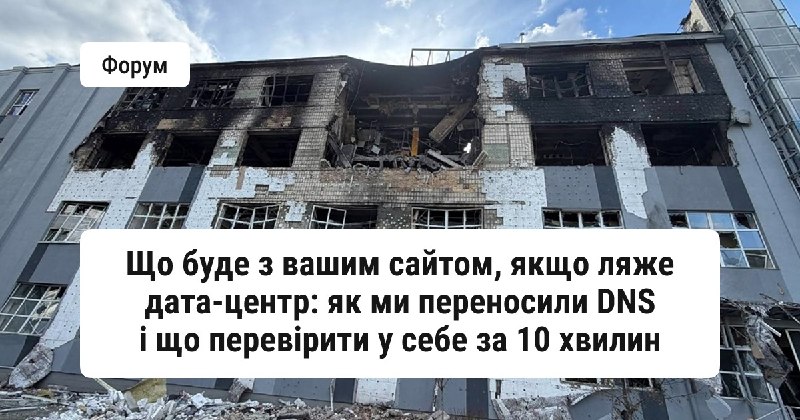
● Ensuring Site Resilience: Strategies Against Data Center and DNS Failures
@devops_dou published an article where Bogdan Khomin, founder of OLBO, shares insights on how to prevent total system failure in the event of a data center, DNS, email, and backup collapse. The discussion covers migrating DNS to Cloudflare and designing infrastructure to eliminate single points of failure (источник).
Live discussions
(No significant discussions were observed in the group chats for this period that were not directly linked to channel news.)
Social graph
(No chat messages were available to identify participants or their roles for this period.)
Final analytics
The information for October 1, 2026, reveals a significant focus on the evolving landscape of Kubernetes, particularly its integration with AI workloads and the concurrent demand for enhanced security measures. Key trends include the push towards more consolidated and accessible platform operations, with new tools like NooBaa Operator enhancing infrastructure management, and Wardline addressing security for AI agents. The introduction of the "Platform Skills" repository further emphasizes the community's drive towards standardized and AI-assisted DevSecOps practices. The deprecation of Skaffold indicates a dynamic and evolving tooling ecosystem within Kubernetes. Simultaneously, the continued discussions around AWS security and disaster recovery planning highlight persistent challenges and the ongoing need for robust, resilient cloud and server infrastructure. The overall tone is proactive and forward-looking, emphasizing practical solutions and strategic approaches to future infrastructure and security demands.