Key events and trends
-
Kubernetes Scaling Challenges with Buildkite CI Migration at Faire: Ben Poland, Senior Staff Platform Engineer at Faire, discussed unexpected Kubernetes scaling challenges when migrating their CI system from Jenkins to Buildkite. The new architecture resulted in thousands of smaller pods, exposing internal Kubernetes throttling mechanisms and leading to
etcdspace limitations in their managed Kubernetes clusters due to the high number of concurrent pods (source). -
PwnEscape: Guest-to-Host KVM Escape (CVE-2026-99999) Identified: A high-severity (9.3) Guest-to-Host KVM Escape vulnerability, PwnEscape, was discovered. This CVE details how the IPv4 checksum check mechanism in Linux can be exploited to gain host machine access from a sandbox or virtual machine. The vulnerability, which dates back to kernel version 2.x and affects modern kernels like 6.x and 7.x, was found with the help of AI. Security patches are available, and patching is crucial, especially for providers offering resources to untrusted guests (source).
-
New Kubernetes Web Interface KubeDesk Released: KubeDesk, a new graphical web interface for Kubernetes management, has been introduced. Positioned as a lighter and simpler alternative to Lens, it operates by taking a
kubeconfigand interacting withkube-apiserver. KubeDesk offers resource information, context switching, consumption metrics, resource creation/modification/deletion,exec, andport-forwardcapabilities. It also features dedicated pages for erroneous resources andingressto pod mapping (source). -
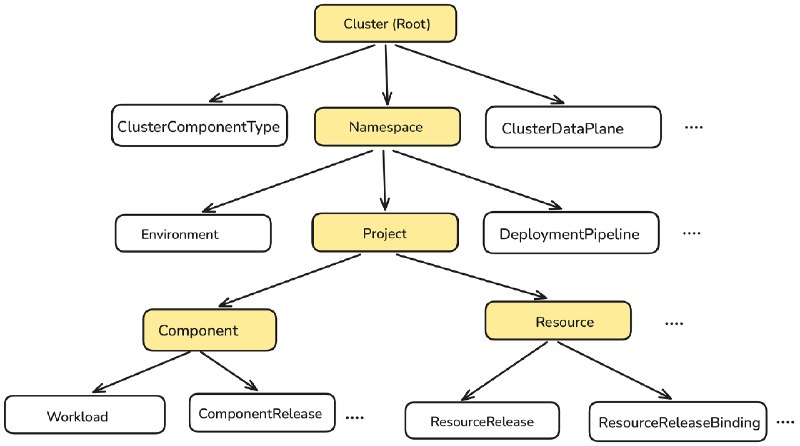
OpenChoreo's Declarative RBAC with ABAC Conditions for Kubernetes Authorization: OpenChoreo implements authorization using declarative Role-Based Access Control (RBAC) with optional Attribute-Based Access Control (ABAC) conditions. This system is expressed as Kubernetes Custom Resource Definitions (CRDs) and evaluated by a Casbin engine (source).
-
Kubernetes Practice Lab SnowOps Labs Launched: SnowOps Labs offers a Kubernetes practice environment where users can build a local cluster, inject realistic failures, and receive grades for their fixes through guided scenarios and incidents (source).
 Watch video
 -
Using Kubernetes CEL Policies for Simple Admission Checks: For straightforward admission checks, such as enforcing mandatory labels or limiting replica counts, Kubernetes CEL (Common Expression Language) policies within
ValidatingAdmissionPolicyare recommended over separate webhook servers. CEL policies perform validation directly within the API server, eliminating network overhead. Webhooks remain useful for complex logic involving external API calls but introduce server availability, timeouts, and admission latency. Basic validation and default values for Custom Resources (CRs) should ideally be defined within the CRD itself (source).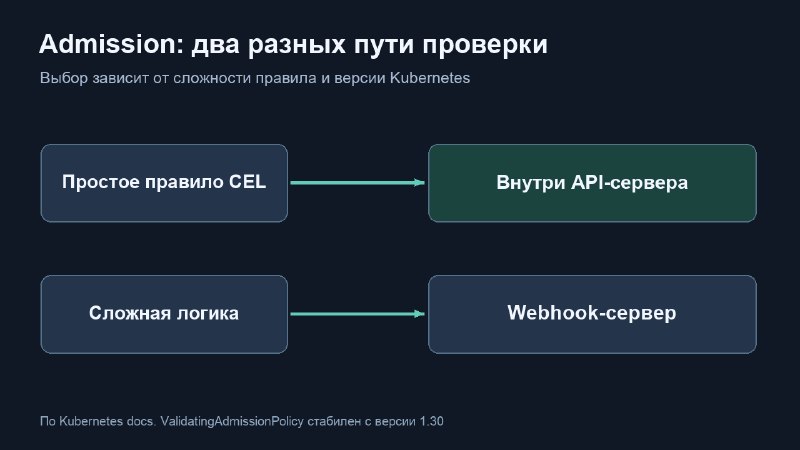
-
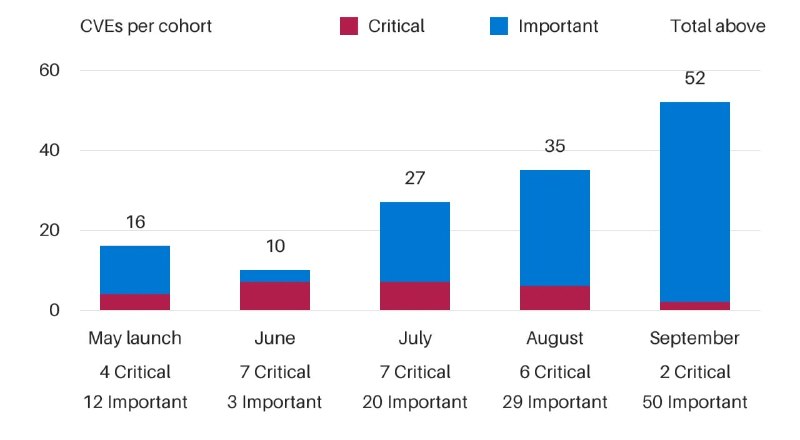
Lessons from Frontier AI Vulnerability Research: FORGE Lab reports 140 Windows CVEs and 155 validated open-source reports, highlighting three key lessons from AI vulnerability research: measure the full pipeline, not just findings; spend reasoning only where it removes uncertainty; and establish validation and remediation as a continuous learning loop (source).
-
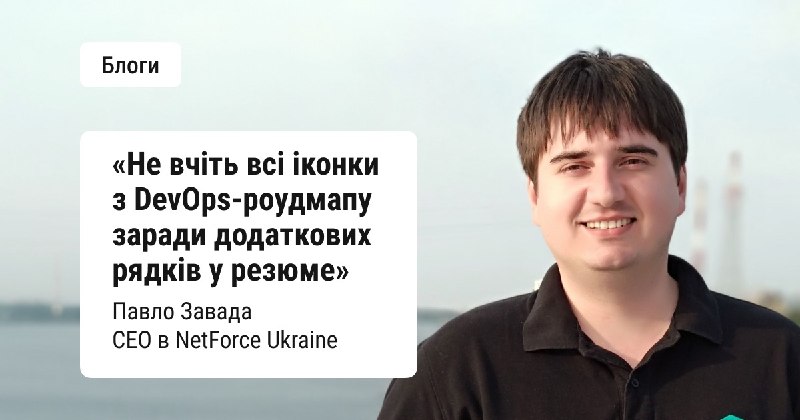
Roadmap for DevOps Engineer Development: Pavlo Zavada, with 15 years of DevOps experience, presented a pragmatic roadmap for DevOps engineers. This roadmap covers fundamental knowledge for junior, middle, and senior levels, spanning Linux, networking, Kubernetes, GitOps, and platform engineering. It also discusses when complex tools might lead to over-engineering (source).
Final analytics
The day's events highlight a strong focus on both the operational complexity and the security landscape within the Kubernetes and DevOps ecosystem. Scaling challenges, particularly with CI systems, underscore the need for deep understanding of Kubernetes' internal mechanisms and performance characteristics. The discovery of a critical KVM escape vulnerability emphasizes the persistent threat of host-level compromises and the importance of timely patching, especially in multi-tenant or containerized environments.
There is also a clear trend towards improving Kubernetes management and security practices. New tools like KubeDesk aim to simplify cluster interaction, while discussions around CEL policies versus webhooks provide guidance on optimizing admission control for efficiency and security. The emphasis on declarative authorization with ABAC in systems like OpenChoreo points to a growing need for granular and flexible access control in cloud-native applications. Finally, the broader lessons from AI vulnerability research reinforce the DevSecOps principle of continuous learning and pipeline-wide security measurement. The roadmap for DevOps engineers further solidifies the foundational knowledge and evolving skill sets required to navigate these complexities.