Key events and trends
AWS Provides a Three-Step Approach for Running AI on Kubernetes
The AWS team has outlined a three-step methodology for deploying AI workloads on Kubernetes, covering infrastructure, blueprints, and optimization. Tsahi Duek detailed the AI on EKS open-source project, which begins with an inference-ready cluster template, followed by deploying models with vLLM using pre-built blueprints, and then optimizing for cold starts, GPU benchmarking, and workload packing via MIG or DRA (источник).
Tutorial for Local RAG System Deployment on Kubernetes
A new tutorial demonstrates how to set up a fully local Retrieval-Augmented Generation (RAG) system on Kubernetes. This setup utilizes PostgreSQL and pgvector for data storage, local embeddings, and a CPU-based Qwen model, eliminating the need for API keys (источник).
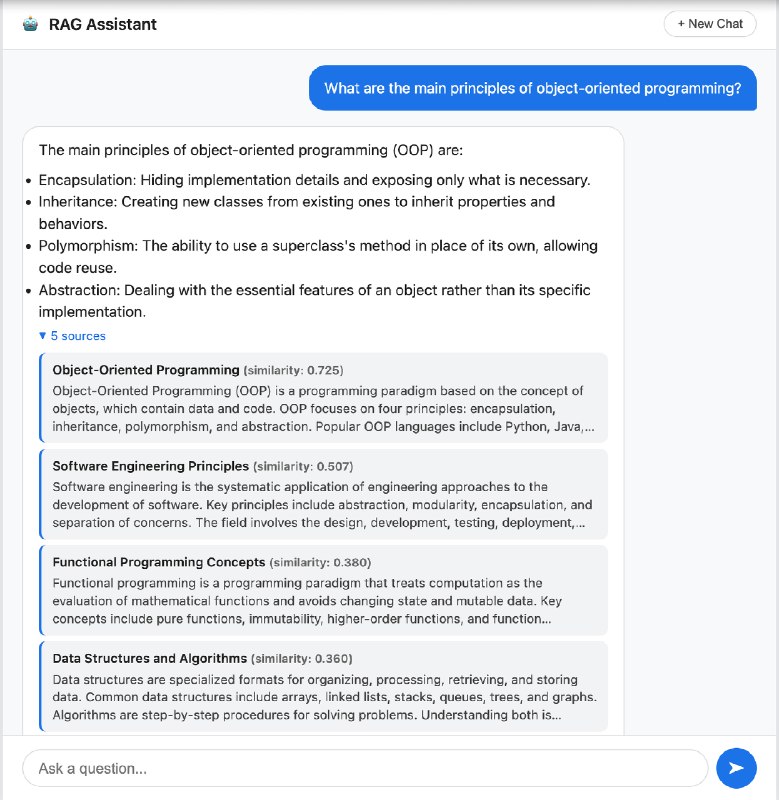
New Perspectives on System Monitoring Beyond Uptime and Latency
An article highlights that traditional metrics like uptime, latency, and error rates only indicate if a system is operational, not necessarily correct. It proposes using behavior-level signals and baselines for dashboards and alerts to truly reflect system integrity (источник).
Enhancing Kubernetes Network Observability with Container Flow Monitors
Elamaran Shanmugam explained the challenge of monitoring network traffic in Kubernetes, where infrastructure uses IPs/ENIs and Kubernetes uses pods/namespaces, creating a disconnect. A solution involves container network observability, using a network flow monitor agent on each node to provide enriched pod-to-pod communication metrics for EKS environments and Grafana dashboards (источник).
New Helm Chart KubeClaw for OpenClaw AI Agents on Kubernetes Released
KubeClaw, a production-grade Helm chart, has been released for running OpenClaw AI agents on Kubernetes. It features secure defaults, pinned images, default-deny egress via Blocky, digest-locked upgrades, and integrated observability (источник).
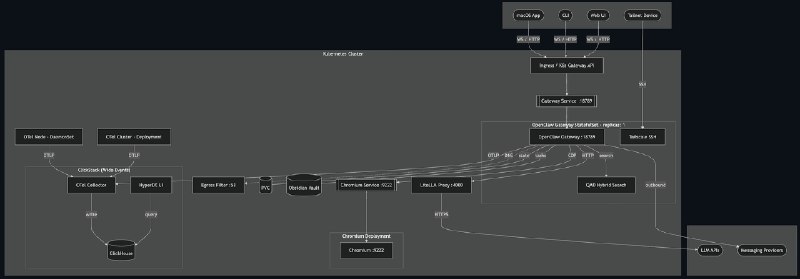
GKE Agent Sandbox Utilizes gVisor for Isolating Untrusted AI Code
An article details how GKE Agent Sandbox leverages gVisor for isolating untrusted AI-generated code. This is achieved through separate node pools, Workload Identity, RBAC, and dedicated security observability measures (источник).
Salesforce's Two-Track Model for Managing AI-Discovered Vulnerabilities
Salesforce has implemented a two-track remediation model for vulnerabilities identified by AI. A strategic track focuses on fixing shared architectural choke points to resolve findings in bulk, while a tactical track addresses validated multi-step exploit chains on adversary timelines (источник).
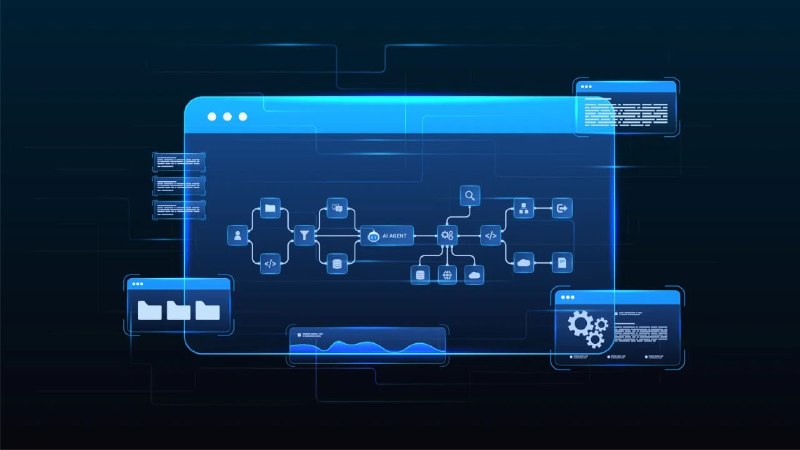
Hortator Open-Source Kubernetes Operator for Secure AI Agent Spawning
Hortator, an open-source Kubernetes operator, allows AI agents to spawn other AI agents securely. Each spawned agent operates in its own pod with distinct context, budget, and security constraints. Key features include configurable security (network policies, RBAC, hierarchical permissions), budget control (token limits, LLM resource tracking), sensitive data checks, and health/task monitoring. Certain advanced functionalities like sensitive data control and budget management are part of an enterprise version (источник).
Clarification on GitHub Actions Concurrency Behavior for Deployments
An analysis explained that cancel-in-progress: false in GitHub Actions' concurrency settings only preserves a running job but does not guarantee that all pending deployments will execute. In the default queue: single mode, new runs can replace older pending ones. To maintain multiple pending runs, queue: max mode (up to 100 runs) should be used. It was noted that FIFO ordering is based on when a run enters the concurrency group queue, not commit time, and a single concurrency group is recommended for workflows sharing a lock within a repository (источник).
Security Alert: Multiple Vulnerabilities and Patching Recommendations
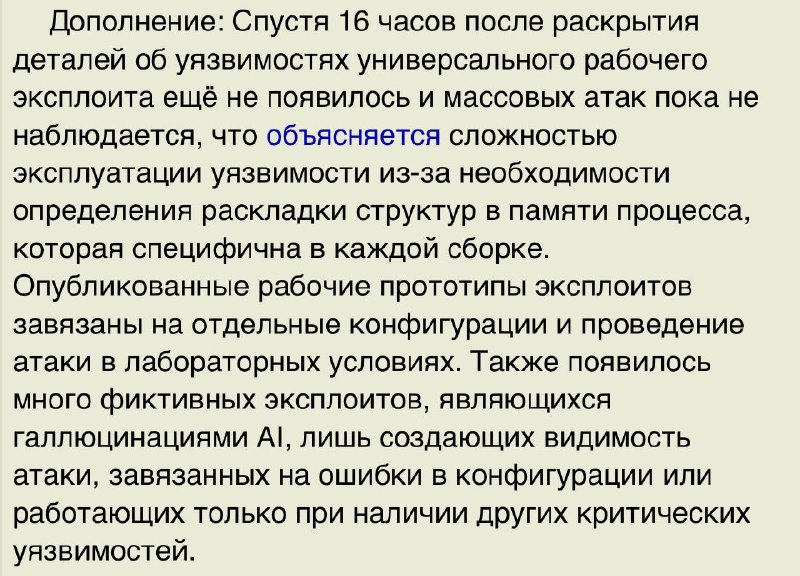
Multiple security vulnerabilities were reported, including a critical PHP vulnerability (later clarified as two distinct issues). Additionally, there is an urgent recommendation to patch browsers and operating systems to remove an "intermediate-CA with private key '4'", along with updates for PHP applications, Gitlab, and LiteLLM (источник, источник, источник, источник). The PHP vulnerability received widespread attention among professionals (источник, источник).
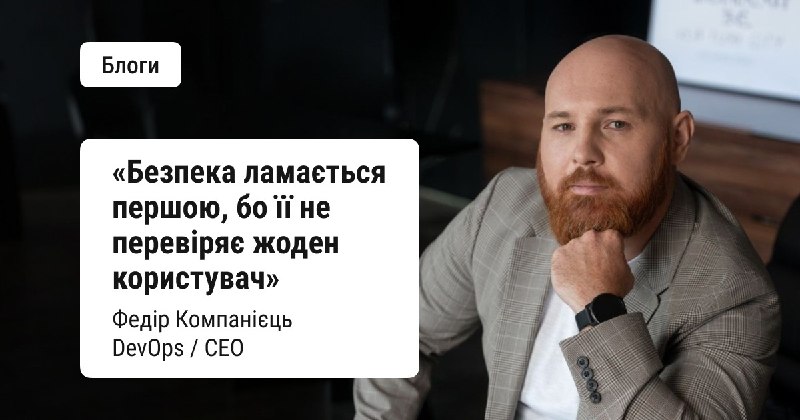
Challenges with AI-Assisted MVP Development for Production Readiness
Fedir Kompaniets outlined why creating a functional MVP using AI tools does not ensure product readiness for real-world use. The article identifies five common issues: open databases, vulnerable APIs, technical debt, infrastructure failures, and lack of backups. A checklist for pre-launch evaluation was also shared (источник).
Live discussions
No standalone live discussions were observed in the monitored chats that met the relevance criteria.
Social graph
No participants were identified as contributing to relevant discussions today.
Final analytics
The focus of the day in the Kubernetes & DevOps space was heavily concentrated on the intersection of AI with server infrastructure and security. There was a notable trend of new tools and methodologies emerging for deploying, securing, and monitoring AI agents and workloads on Kubernetes, with projects like KubeClaw and Hortator providing specific solutions. Discussions around securing AI-generated code and managing AI-discovered vulnerabilities highlight a proactive approach to potential risks. Additionally, a strong emphasis was placed on advanced monitoring techniques, moving beyond simple uptime checks to behavior-level signals, and improving network observability within Kubernetes environments.
A critical theme was also security, with urgent calls for patching against multiple vulnerabilities, including significant PHP exploits and a problematic intermediate-CA. This indicates a heightened state of awareness regarding immediate security threats within the operational technology stack. The challenges of CI/CD concurrency in GitHub Actions and the pitfalls of relying solely on AI for production-ready MVPs further underscore the continued need for robust engineering practices in infrastructure and application security. The overall tone was informative and focused on technical advancements and critical security advisories. There were no observed discussions in the monitored chat groups, indicating a day primarily driven by channel-based news and technical articles without real-time community interaction captured.