Key events and trends
-
Kubernetes Predictive Scaling Load Testing Design Detailed Jorrick Stempher's team designed realistic load testing for their Kubernetes predictive scaling system using virtual users sending requests to multiple API endpoints. A critical insight revealed the importance of ramp-up periods, typically around 5 seconds, to simulate realistic traffic patterns and prevent immediate node failures caused by instant load spikes from zero to thousands of requests per second (источник).
-
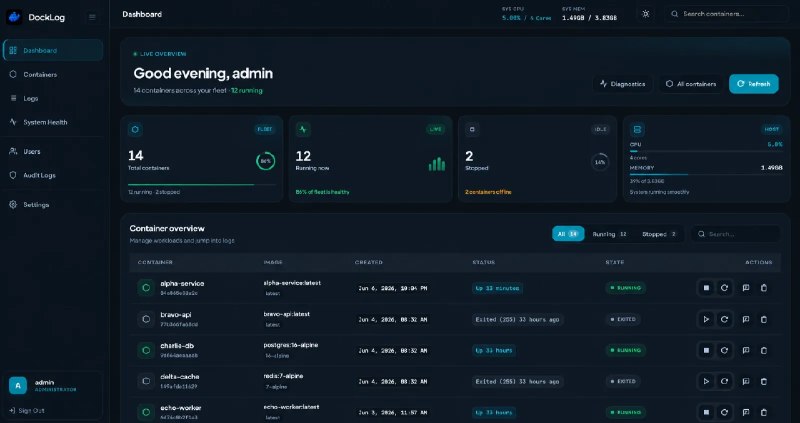
DockLog Introduced as a Docker Log Viewer DockLog is a new lightweight, self-hosted Docker log viewer for teams. It offers real-time streaming, Role-Based Access Control (RBAC), and audit logging, with optional visibility for Kubernetes environments (источник).
-
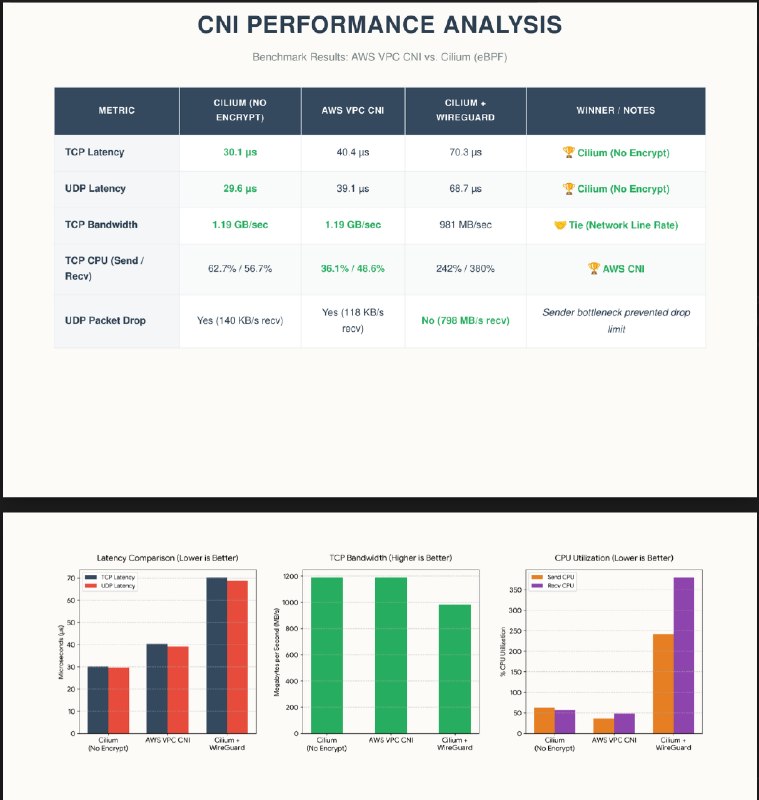
EKS Migration to Cilium Tutorial Published A new tutorial demonstrates how to migrate an EKS cluster from AWS VPC CNI and kube-proxy to Cilium. The process includes using blue/green nodes, WireGuard encryption for secure communication, and Hubble for enhanced observability (источник).
-
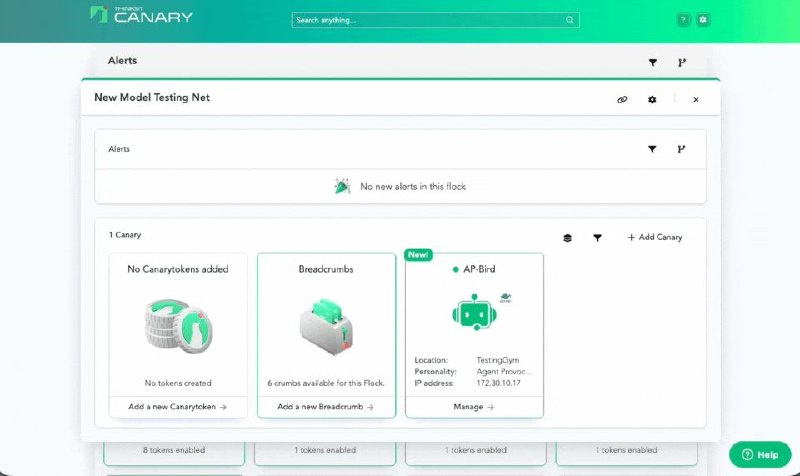
Thinkst's Agent Provocateur Enhances Security Monitoring Thinkst introduced "Agent Provocateur," a Canary personality designed to exploit agent suggestibility. It engages scanning agents, probes for sensitive information like username, MAC address, and SSH host-key fingerprint, and triggers alerts. Internal tests showed a 100% detection rate for agents interacting with it (источник).
-
SnowOps Labs Offers Hands-on Kubernetes Practical Exercises SnowOps Labs provides practical Kubernetes laboratory exercises focused on fixing errors and restoring cluster/application functionality. The platform offers diverse scenarios including Observability & SRE, GitOps & CI/CD, Security & Compliance (featuring Kyverno for policy adjustment), Chaos Engineering, and Autoscaling Under Load, accessible via a graphical web interface (источник).
-
Google SRE Workbook on Multi-Window SLO Alerts Google's SRE Workbook discusses using a two-window check for Service Level Objective (SLO) alerts to prevent alerts from persisting after a service has recovered. This method requires an alert to be triggered only when both a long-term burn rate (e.g., over the last hour) and a short-term burn rate (e.g., over the last 5 minutes) exceed a defined threshold, ensuring faster alert resolution upon recovery (источник).
Live discussions
No relevant live discussions were recorded for this period.
Social graph
No participants were identified as there were no relevant discussions.
Final analytics
The day's information flow primarily centered on enhancing Kubernetes operations through robust testing, improved monitoring, and advanced security measures. Key themes included infrastructure resilience, exemplified by the detailed approach to load testing and the strategic use of multi-window SLO alerts for reliable monitoring. Security was a prominent focus, with the introduction of Agent Provocateur for detecting scanning agents and a tutorial on migrating EKS to Cilium for network security and observability. Furthermore, practical learning opportunities for DevSecOps and Kubernetes platform engineering were highlighted with SnowOps Labs. The absence of group discussions suggests that these announcements were received as informative updates without immediate, widespread debate. The overall tone was constructive and forward-looking, emphasizing practical solutions and best practices in server infrastructure and its security.